
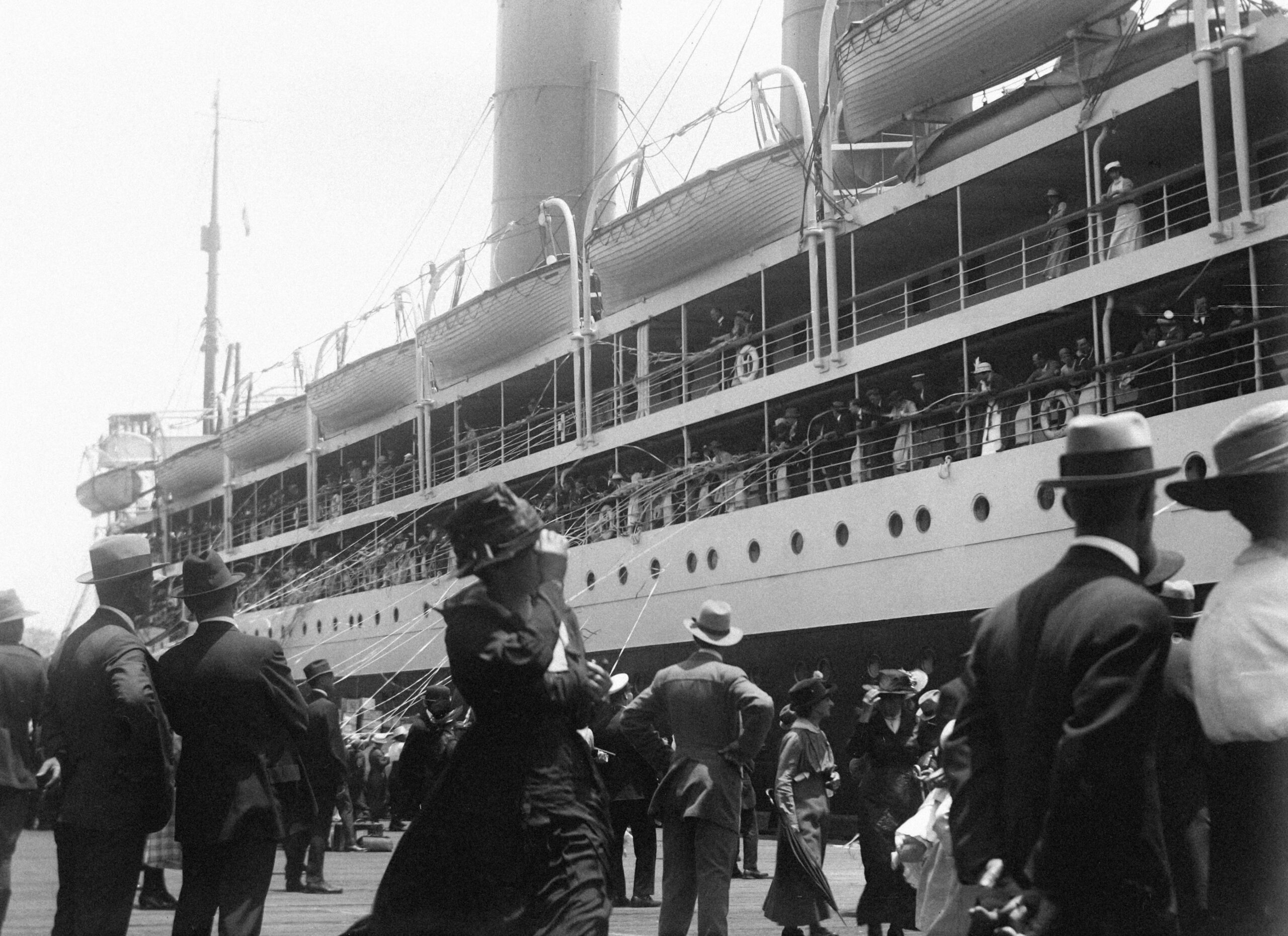

Introduction: The Myth of the Unsinkable Ship
On the night of April 14, 1912, one of the most catastrophic maritime disasters in human history unfolded in the freezing waters of the North Atlantic. The RMS Titanic, the largest and most technologically advanced ocean liner of its era, struck an iceberg and sank in just 2 hours and 40 minutes. At the time, more than 2,200 passengers and crew were aboard the Titanic for her maiden voyage to the United States. Only 705 survived. According to the builders of the Titanic, even in the worst possible accident at sea, the ship should have stayed afloat for two to three days.
Chaos erupts in the freezing 28°F waters, where 1,500 souls, men in tuxedos, women clutching babies, stewards mid-shift, flail amid splintered deckchairs and overturned lifeboats, their screams piercing the starless night before hypothermia silences them in 15 agonizing minutes. The stern’s propellers claw skyward at a 45-degree angle, plunging thousands into an icy abyss of gurgling boilers and collapsing funnels, a tableau of shattered dreams where class divides dissolved in collective horror. This was no mere shipwreck; it was two hours of raw human terror etched into history.
The Ship: Engineering Marvel With Hidden Flaws
To understand why the Titanic sank so quickly, one must first understand what it was built from and what it was not. The three White Star Line steamships, Olympic, Titanic, and Britannic, were 269.1 meters long, 28.2 meters at maximum width, and 18 meters tall from the waterline to the boat deck, or 53 meters from keel to top. (UW-Madison Libraries) At the time of her launch, Titanic was the largest moving object ever constructed by human hands.
Yet beneath that scale lay a critical materials problem. Research conducted by NIST metallurgist Tim Foecke in 1998 identified one of the ship’s most significant structural vulnerabilities. The suspected culprit was one of the ship’s smallest components, 3 million wrought iron rivets used to hold the hull sections together. Foecke determined that the wrought iron in the rivets contained three times today’s allowable amount of slag, the glassy residue left behind after the smelting of iron ore. (History News Network)
Metallurgists Tim Foecke and Jennifer Hooper McCarty found that the steel plates toward the bow and stern were held together with low-grade iron rivets. Those rivets may have been used because higher-grade rivets were in short supply, or because the better rivets could not be inserted in those areas using the shipyard’s crane-mounted hydraulic equipment. (Dukereportbooks)
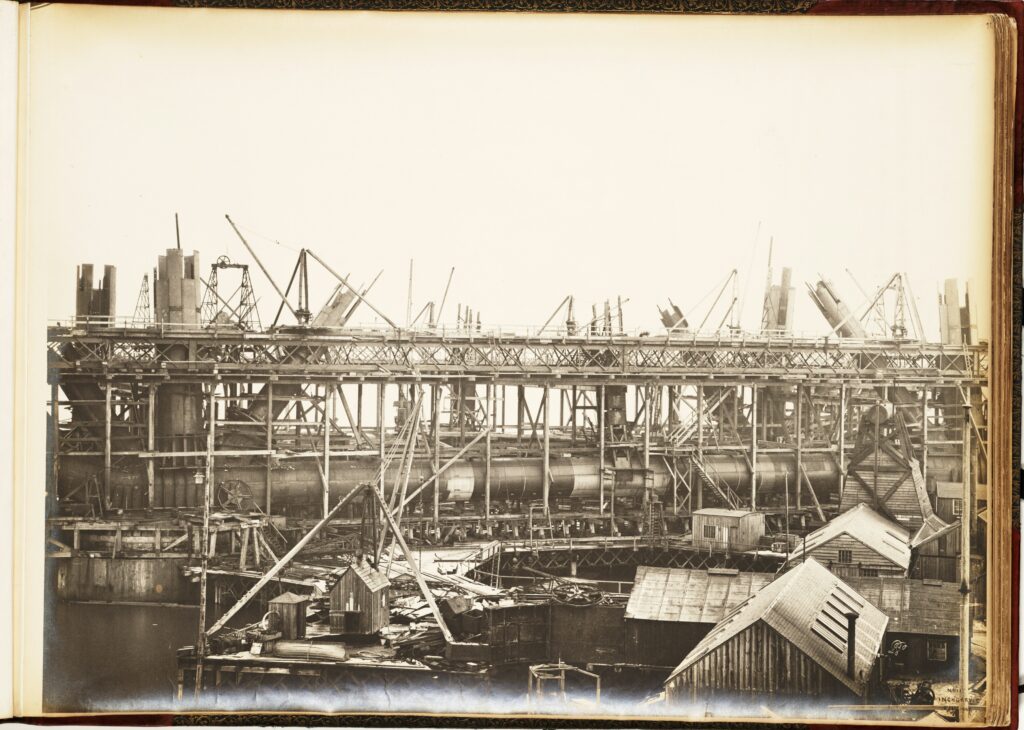
The hull steel itself was equally problematic. The water temperature was below freezing, the Titanic was traveling at high speed on impact with the iceberg, and the hull steel contained high levels of sulfur. High sulfur content disrupts the grain structure of steel, leading to an increase in its brittleness. When sulfur combines with magnesium in the steel, it forms stringers of magnesium sulfide which act as highways for crack propagation. (Routledge)
The Collision: What Actually Happened
At 11:40 PM on April 14, 1912, lookout Frederick Fleet spotted the iceberg and rang the warning bell. First Officer William McMaster Murdoch ordered the engines reversed and the ship turned hard to starboard. The maneuver came too late, but critically, it also made things worse.
Just before impact, Murdoch telegraphed the engine room to put the ship’s engines in reverse. That would cause the left and right propellers to turn backward, but because of the configuration of the stern, the central propeller could only be halted, not reversed. The fact that the steering propeller was not rotating severely diminished the turning ability of the ship. It is one of the many bitter ironies of the Titanic tragedy that the ship might well have avoided the iceberg if Murdoch had not told the engine room to reduce and then reverse thrust. (Dukereportbooks)
In about 40 seconds, as the Titanic was beginning to respond to the change in course, it collided with an iceberg estimated to have a gross weight of 150,000 to 300,000 tons. The iceberg struck the Titanic near the bow on the starboard side about 4 meters above the keel. During the next 10 seconds, the iceberg raked the starboard side of the ship’s hull for about 100 meters, damaging the hull plates and popping rivets, thus opening the first six of the 16 watertight compartments formed by the transverse bulkheads. (UW-Madison Libraries)
The damage was not what early investigators imagined. Sonar mapping of the Titanic’s starboard hull showed only six thin tears from the iceberg, with a total open area of one square meter, just 12 square feet. This dispelled the myth that the iceberg ripped a large gash in the side of the ship. The actual damage could not have resulted in the flooding that overwhelmed the Titanic’s watertight compartments. (History News Network) Instead, it was the rivet failures, popped heads creating gaps between hull plates, that allowed the catastrophic flooding that followed.
The Design Flaw That Doomed Thousands: Watertight Compartments
The Titanic was designed with 16 watertight compartments, a feature her builders claimed made her virtually unsinkable. She could theoretically stay afloat with any two compartments flooded, or even the first four. But the iceberg breached six.
The Titanic’s compartments were not fully sealed at the top, allowing water to spill from one compartment to another, which hastened the sinking after the iceberg impact. (Sage Journals) As the bow sank lower, water poured over the tops of the bulkheads sequentially, a fatal design oversight that transformed a damaged ship into a doomed one.
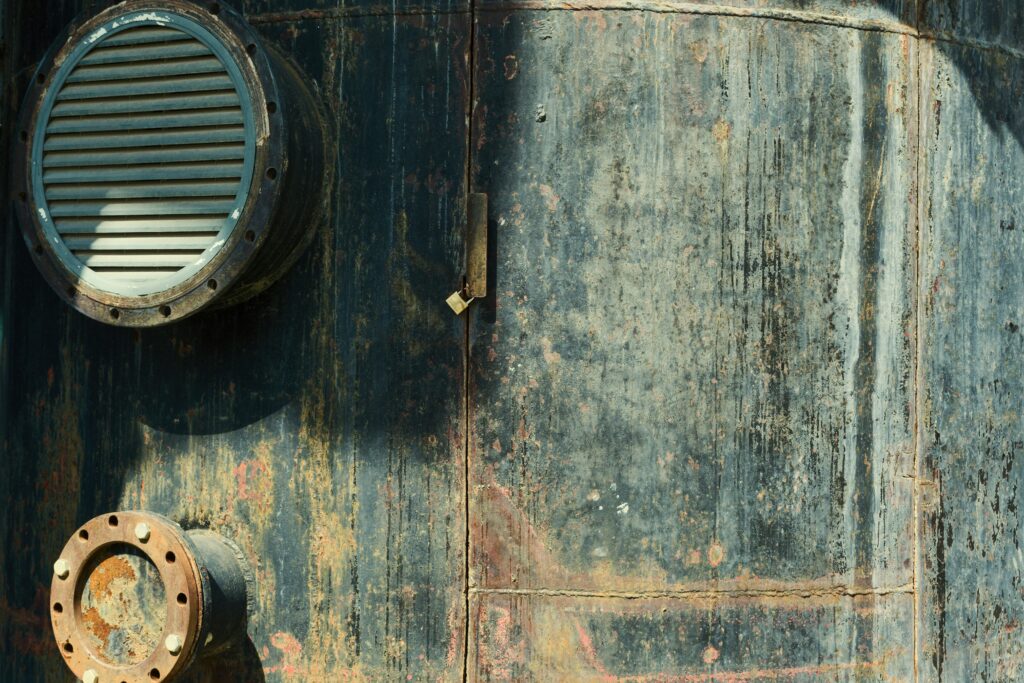
Inspection shortly after the collision by Captain Edward Smith and Thomas Andrews, the chief designer for Harland and Wolff, revealed that the ship had been fatally damaged and could not survive long. (UW-Madison Libraries) Andrews calculated the ship had between one and two hours. In the end it lasted 2 hours and 40 minutes, the flooding was somewhat slower than his worst-case estimate, but the outcome was never in doubt.
Speed, Overconfidence, and Human Error
The structural failures alone do not explain the full scale of the disaster. Human decisions compounded every engineering weakness. Many Titanicologists have said that the ship’s captain, Edward J. Smith, was aiming to better the crossing time of the Olympic, the Titanic’s older sibling in the White Star fleet. Simply put, Titanic was traveling way too fast in an area known to contain ice. (Dukereportbooks)
The ship was traveling at approximately 22 knots, near full speed, despite having received multiple iceberg warnings throughout the day of April 14. At least six separate ice warnings had been received by the Titanic’s wireless operators. Several were passed to the bridge. None resulted in a reduction in speed.
The crew of the ship was overly confident in the Titanic’s ability to take damage. Neither the shipbuilder nor the crew was aware that the steel of the Titanic lost all its ductility and became brittle at the water temperatures the ship encountered on April 14, 1912. (SearchWorks) The very confidence inspired by the ship’s scale and reputation, the mythology of her unsinkability, became one of the most decisive factors in her loss.
The Lifeboat Scandal: Regulation That Failed the Living
Even after the collision, over 1,500 people did not have to die. They died largely because the Titanic carried criminally insufficient lifeboat capacity. Titanic was equipped to carry more than 60 lifeboats, yet it left Southampton on its maiden voyage with just 20. (History News Network)
This was not illegal. Under the British Board of Trade regulations of 1894, regulations that had not been updated to account for ships of the Titanic’s size, vessels over 10,000 tons were required to carry just 16 lifeboats. The Titanic, at 46,328 gross tons, was carrying more lifeboats than the law required. The law was simply catastrophically out of date.
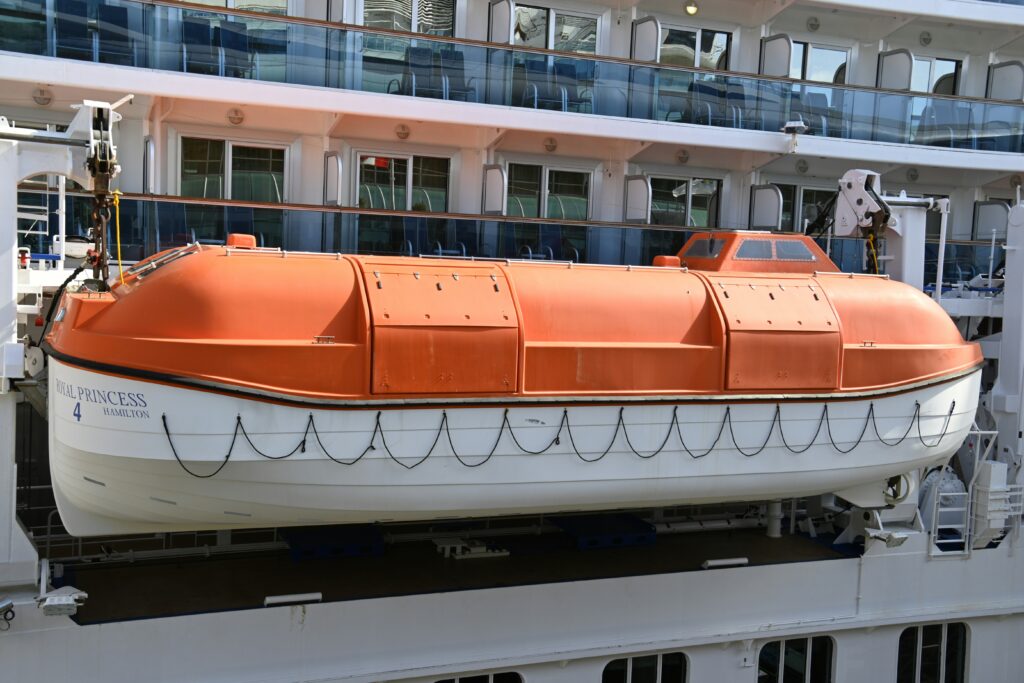
The 20 lifeboats aboard had a combined capacity of approximately 1,178 people. With over 2,200 people aboard, even if every lifeboat had been filled to capacity, which they were not, many launched half-empty in the chaos, more than 1,000 people would still have had no means of survival. Most of those who entered the water died within minutes. The water temperature that night was approximately -2°C (28°F). Survival time in such conditions is measured in minutes, not hours.
Structural Breakup: The Final Minutes
Forensic engineers and marine archaeologists have reexamined key aspects of the Titanic’s structural behavior using underwater photography, sonar mapping, 3D photogrammetry, and recovered wreckage fragments. These studies confirmed that the ship fractured into two main sections at or near the surface, consistent with survivor accounts of the vessel’s final moments. (Amazon)
The ship disappeared from view at 2:20 AM, 2 hours and 40 minutes after striking the iceberg. After the lights went out, Titanic’s structure failed and the ship split apart. The submerged bow may have remained attached to the stern by the keel for a short time, pulling the stern to a high angle before separating. The bow and stern took only 5 to 6 minutes to sink 3,795 meters to the ocean floor. (SearchWorks)
Legacy: How Titanic Changed Maritime Safety Forever
The disaster did not die with the ship. Its consequences reshaped global maritime law in ways that endure to this day. Subsequent inquiries recommended sweeping changes to maritime regulations, leading to the establishment in 1914 of the International Convention for the Safety of Life at Sea, SOLAS, which still governs maritime safety today. (SearchWorks)
SOLAS mandated that every ship carry sufficient lifeboats for all passengers and crew, that lifeboat drills be conducted, that a 24-hour wireless watch be maintained, and that ice patrol services be established in the North Atlantic. The International Ice Patrol, created directly in response to the Titanic disaster, has operated continuously since 1914 and has not recorded a single loss of life from iceberg collision in the North Atlantic since its establishment.
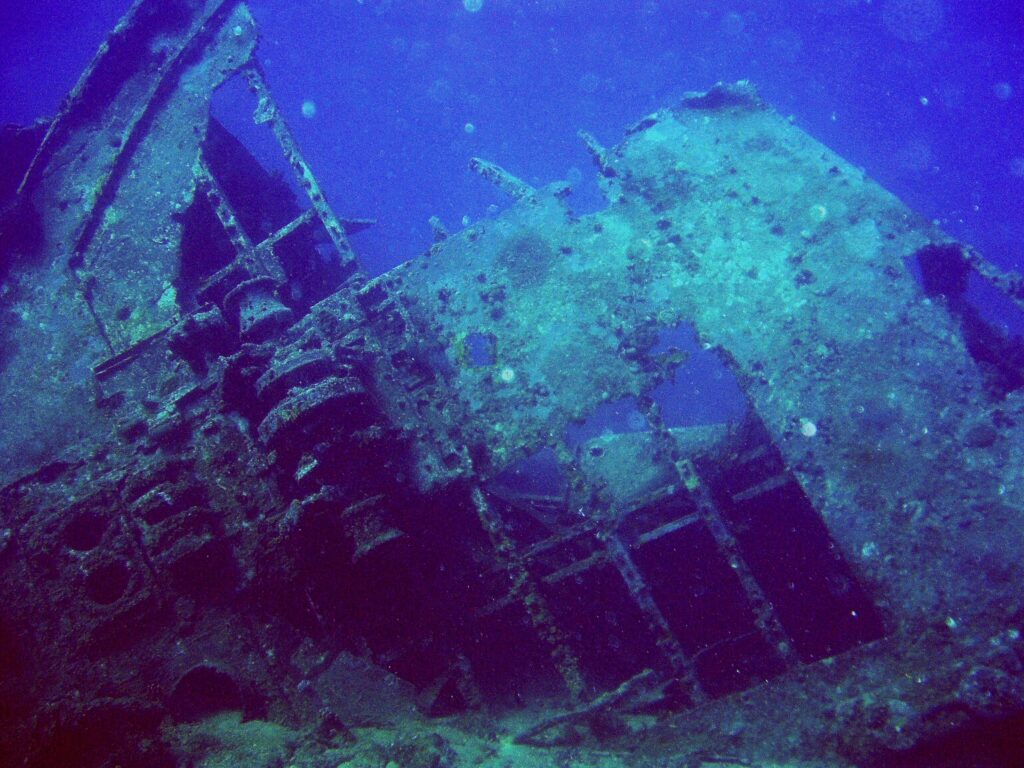
The Titanic also transformed metallurgical standards. Not until World War II, after the failure of Liberty ships and T-2 tankers, was brittle fracture of steels at low temperatures in ships fully recognized. In 1947, the American Bureau of Shipping introduced restrictions on the chemical compositions of steels. (SearchWorks)
Conclusion: A Cascade of Failures
The sinking of the Titanic was not caused by an iceberg. The iceberg was the trigger, the culmination of a perfect storm of material failures, design oversights, navigational overconfidence, regulatory negligence, and institutional arrogance. No one thing sent the Titanic to the bottom of the North Atlantic. Rather, the ship was ensnared by a perfect storm of circumstances that conspired to her doom. Such a chain is familiar to those who study disasters, it is called an event cascade. (Dukereportbooks)
What the Titanic ultimately teaches us, more than a century later, is that technological confidence without institutional humility is one of the most dangerous forces in human affairs. The ship was the largest ever built. Its builders were the finest of their era. Its passengers were among the most powerful in the world. None of it mattered when 3 million substandard rivets met a 300,000-ton block of ice in the freezing dark.