

Introduction: History Has Always Had Gatekeepers
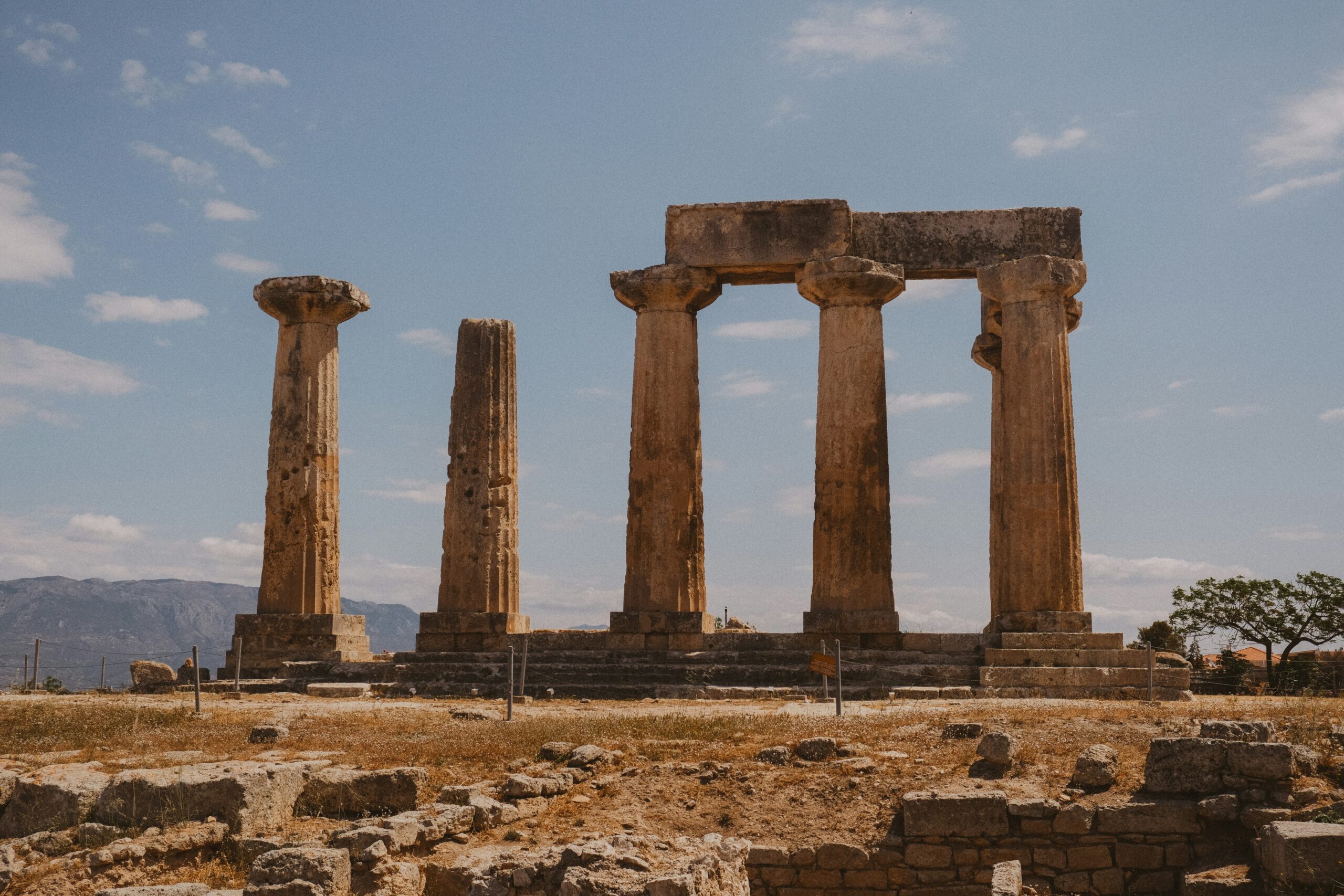
We are taught to think of history as a complete record, a reliable archive of everything that came before us. But history, as any serious scholar knows, is not a complete record. It is a curated one. Entire civilizations have vanished not merely through war, plague, or climate collapse, but through deliberate erasure. The systematic destruction of language, memory, monument, and identity by those who came after them. The erasure of civilizations is not always accidental. Sometimes it is intentional, orchestrated by those who benefit from forgetting. To study these lost worlds is not to indulge in fantasy, it is to confront one of the most uncomfortable truths of recorded history: that what we know is shaped as much by what has been destroyed as by what has been preserved.
The Indus Valley Civilization: A Sophisticated World We Cannot Read
Among the most striking examples of a civilization that history has effectively buried is the Indus Valley Civilization, also known as the Harappan Civilization, which flourished between approximately 3300 BCE and 1300 BCE across what is today Pakistan, northwest India, and Afghanistan.
The Indus began building settlements in present-day India and Pakistan as early as 8,000 years ago, making them one of the earliest civilizations. By the third millennium BCE, they occupied over 386,000 square miles of territory, much more than their better-known contemporaries in Egypt and Mesopotamia, and accounted for an estimated 10 percent of the world’s population. They also developed a writing script that is still yet to be deciphered, and their cities contained sanitation systems that remained unequaled until Roman times. (History News Network)
The cities of Mohenjo-Daro and Harappa were only unearthed in the 1920s, revealing an urban culture as advanced as those in Mesopotamia and Egypt. Yet we still cannot read their script. We do not know what they called themselves. Their religion, political system, and even their downfall remain largely speculative. (ResearchGate)
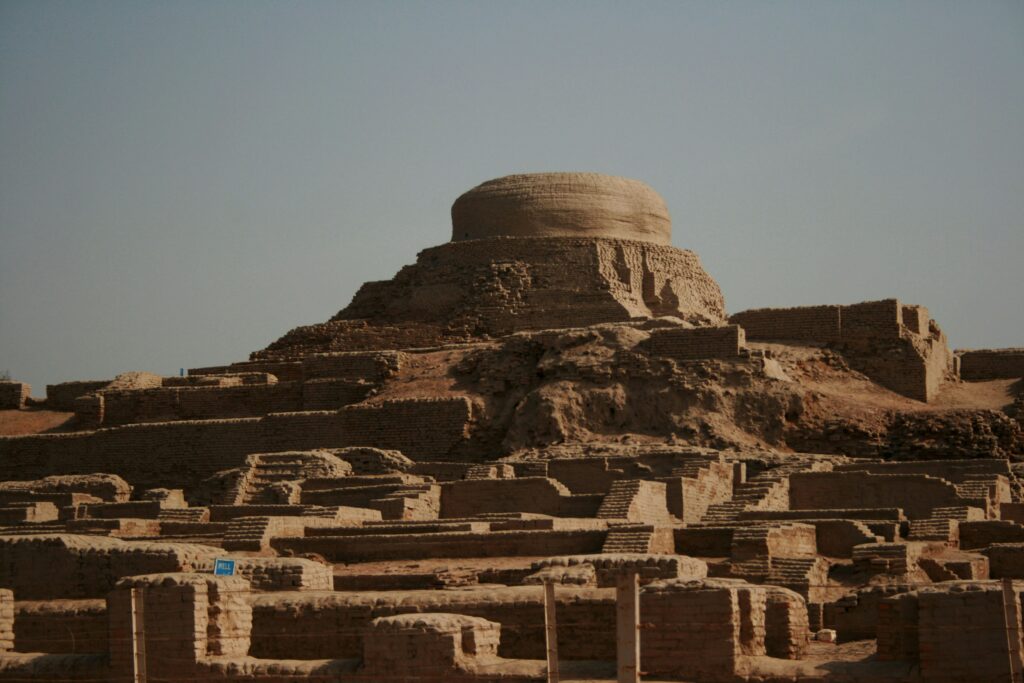
This is a civilization of five million people, one in ten humans alive at the time, whose very name we do not know. Their script, known as the Indus Script, comprises over 400 distinct signs and remains one of the greatest unsolved puzzles in linguistics and archaeology. The civilization was not merely forgotten, it was rendered fundamentally illegible to posterity.
Pharaoh Akhenaten: When Egypt Erased Its Own History
Not all civilizational erasure happens at the hands of foreign conquerors. Some of history’s most deliberate acts of historical deletion were self-inflicted. The case of Pharaoh Akhenaten, who ruled Egypt from approximately 1353 to 1336 BCE, stands as one of the most documented examples of a ruler being methodically removed from official records by his own successors.
Pharaoh Akhenaten introduced a monotheistic religion, worshipping Aten, the sun disk. After his death, his successors, most notably Tutankhamun and Horemheb, systematically destroyed his statues, defaced his monuments, and tried to obliterate his name from records.
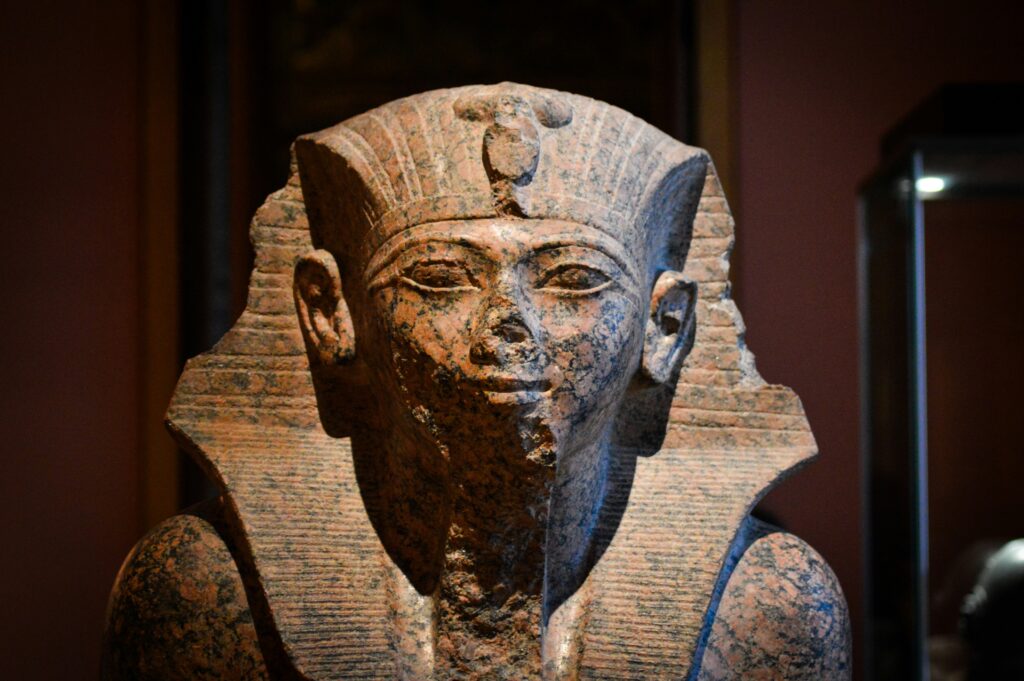
Akhenaten’s capital city of Amarna, built from scratch in the desert, was abandoned within decades of his death and its stones used for other construction. His name was struck from the official king lists. For centuries, modern historians had no knowledge that he had ever existed. It was only in the 19th century CE, through painstaking archaeological detective work, that Akhenaten was rediscovered, roughly 3,200 years after his death. The erasure had held for over three millennia.
The Library of Alexandria: When Knowledge Itself Was Destroyed
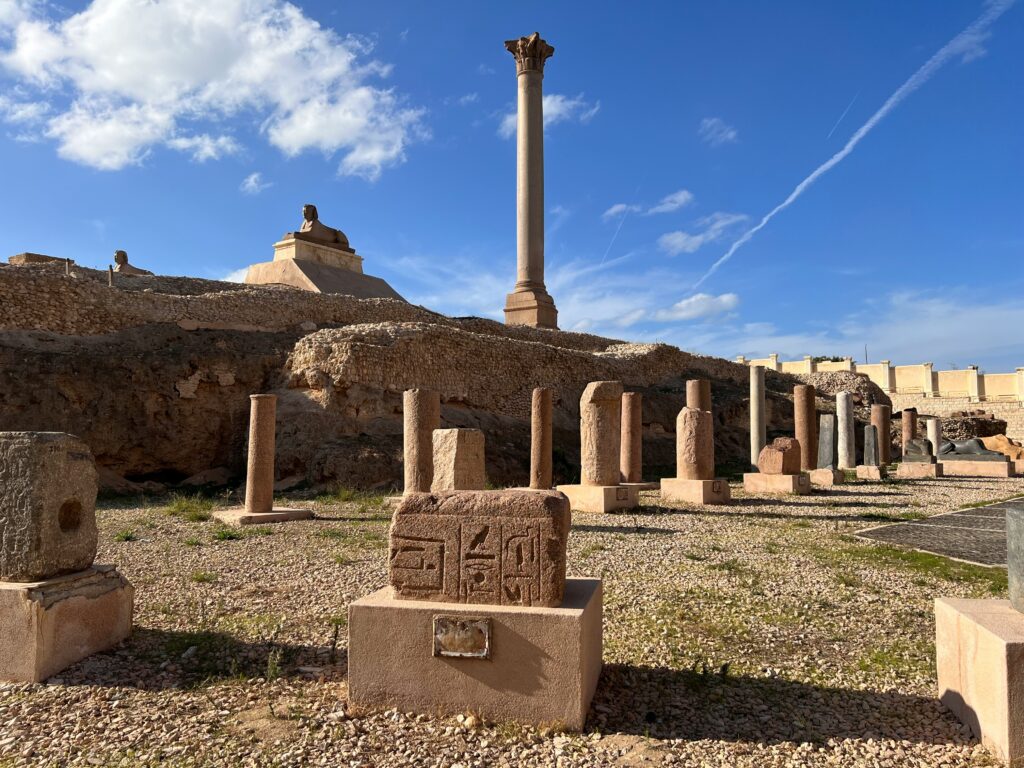
If the erasure of a single ruler is disturbing, the destruction of entire bodies of knowledge represents a civilizational catastrophe of an entirely different magnitude. The Library of Alexandria, a beacon of knowledge in the ancient world, is perhaps the most famous casualty of such zeal. Though its destruction was the result of multiple events over centuries, religious riots and Christian purges in the late Roman Empire played a significant role in its decline. Countless texts from Greece, Egypt, Babylon, and India were lost forever, cutting us off from a vast repository of human thought.
Estimates suggest the Library of Alexandria held between 400,000 and 700,000 scrolls at its height, representing the collective intellectual output of the ancient Mediterranean, Middle East, and beyond. Philosophy, mathematics, medicine, astronomy, history, literature, entire disciplines that might have advanced human civilization by centuries were reduced to ash. What we know of ancient Greece, for instance, represents only a fraction of what was written. Most of Aristotle’s works are lost. Most of Sophocles‘ plays are gone. The Library’s destruction did not merely end an institution, it reset the clock of human knowledge.
The Göbekli Tepe Problem: Rewriting the Timeline of Civilization
Perhaps no single archaeological discovery in the modern era has done more to destabilize official historical narratives than Göbekli Tepe in southeastern Turkey. Excavated beginning in 1994 by German archaeologist Klaus Schmidt, this megalithic site, comprising elaborately carved stone pillars arranged in circular enclosures, has been dated to approximately 9600 BCE, making it roughly 7,000 years older than Stonehenge and 6,000 years older than the earliest known writing systems.
The excavated 12,000-year-old megalithic site of Göbekli Tepe confirmed that mankind’s history is greater and older than previously believed. (History News Network) The site demonstrates organized religious architecture, sophisticated artistic expression, and coordinated social labor at a time when conventional historical models insisted that human beings were still simple nomadic hunter-gatherers incapable of such complexity.
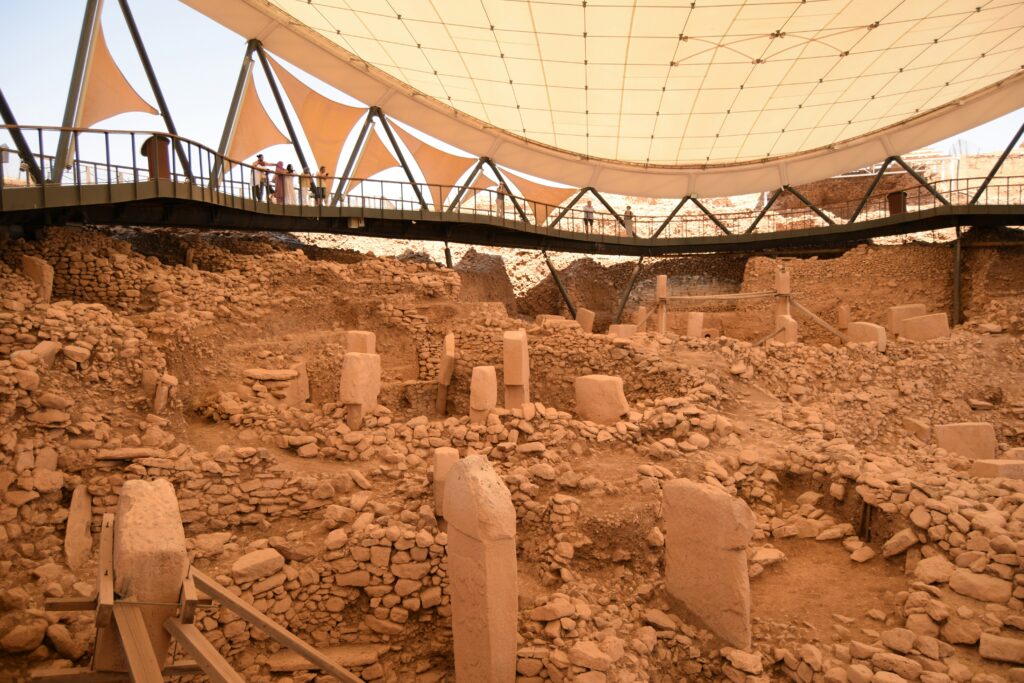
Göbekli Tepe was deliberately buried, not by time or erosion, but intentionally, around 8000 BCE. Someone filled the enclosures with rubble and sealed them. Why remains unknown. What is certain is that this act of burial preserved the site perfectly, and that whoever built it represented a level of social and spiritual organization that does not appear in any standard timeline of human civilization.
The Amazon: Civilizations Hidden in Plain Sight
The story of erased civilizations is not confined to the ancient world. In South America, the Amazon rainforest, long portrayed by Western science as a pristine wilderness untouched by human civilization, has been revealed by modern archaeology to have been home to sophisticated urban societies of considerable scale.
In the Amazon rainforest, satellite imagery has revealed geometric earthworks, evidence of sophisticated societies that once thrived in regions long assumed to be wild and uninhabited. These earthworks, known as geoglyphs, cover an area of over 13,000 square kilometers across what is today the Brazilian state of Acre. They include circular enclosures, roads, bridges, and agricultural infrastructure, all invisible from ground level, hidden beneath the forest canopy for centuries.

The narrative that the Amazon was always empty was not merely an innocent error. It served colonial and post-colonial agendas. If the land had no prior civilization, it had no prior claim. The erasure of Amazonian urban history was, in significant part, the erasure of indigenous land rights.
The Druidic and Nordic Traditions: Erasure Through Conversion
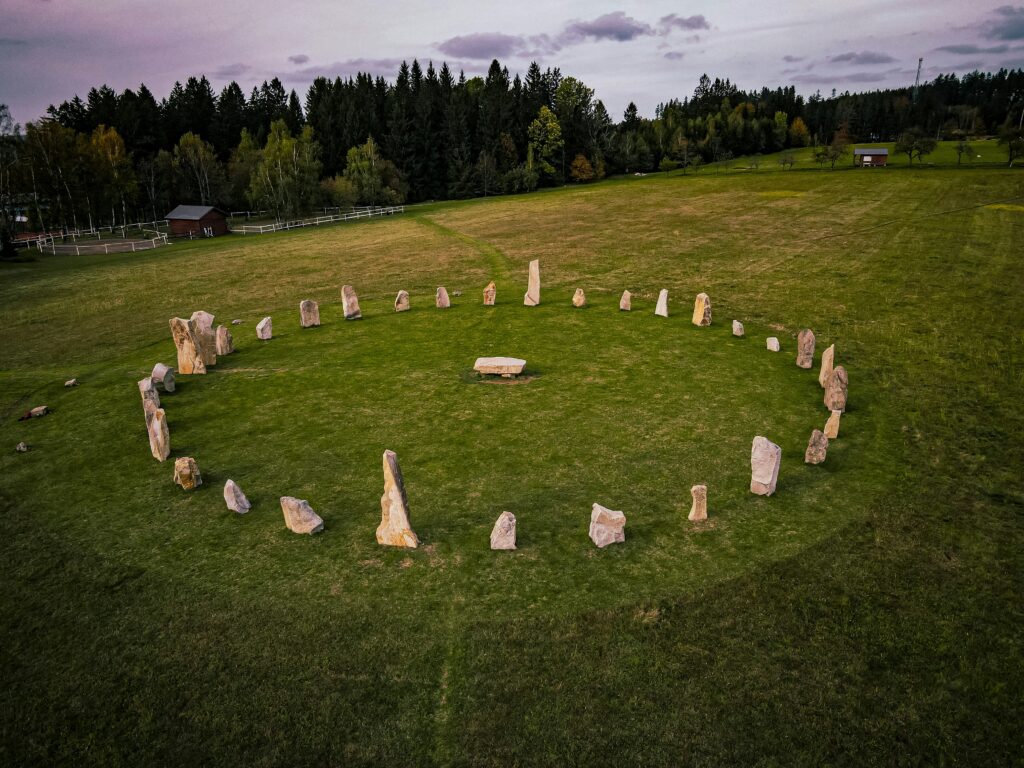
In medieval Europe, countless Druidic and Nordic traditions were erased by the spread of Christianity. What we know of these cultures is fragmentary, filtered through Christian chroniclers who often misunderstood or misrepresented the beliefs of the people they conquered. Temples were razed. Sacred groves were cut down. Statues were defaced.
The Druids left no written records of their own, their knowledge was transmitted orally, a deliberate choice rooted in their philosophy. When Roman conquest and subsequent Christianization destroyed the social structures that transmitted this oral tradition, an entire intellectual and spiritual world vanished without a textual trace. What survives of Druidic thought exists only in the accounts of those who sought to suppress it.
Conclusion: The Politics of Historical Memory
The civilizations examined here were not erased by accident. They were erased because erasure served a purpose, to consolidate power, to legitimize conquest, to simplify narratives, or to eliminate inconvenient predecessors. Erasing a civilization can be as much a political act as a physical one. Regimes have long used the suppression of history to control narratives.
What archaeology, satellite imaging, and modern linguistic analysis are now beginning to reveal is that the official record of human history is far more incomplete than we have been led to believe. Every decade brings new discoveries that push back the timeline of human complexity, reveal forgotten peoples, and restore voices that power once silenced. The civilizations that were erased from official records were not erased from the earth. They are still there, beneath our cities, beneath our forests, beneath our assumptions, waiting to be found.