
Introduction: A Secret Hiding Behind Democracy
When we think of NATO, we imagine a defensive military alliance. A collective shield forged in the fires of the Cold War to protect Western democracy from Soviet expansion. But beneath that official image lay one of the most disturbing covert programs of the twentieth century: “Operation Gladio“. For nearly four decades, a secret paramilitary network operated across Western Europe. It was armed, funded, and directed by NATO, the CIA, and MI6, entirely outside the knowledge of elected governments and their citizens. Its existence was not conspiracy theory. It was confirmed fact. And when it finally came to light in 1990, it shook the foundations of European democracy.
Origins: The Fear That Built an Underground Army
The roots of Operation Gladio lie in the immediate aftermath of World War II. Western intelligence planners, particularly in Washington and London, were gripped by a singular fear: that Soviet forces could sweep across Western Europe before NATO’s conventional armies could mount a response. The solution they devised was unconventional. It was to build secret armies in every NATO member state that would remain dormant in peacetime but activate behind enemy lines in the event of a Soviet invasion.
The CIA and British secret service, in collaboration with NATO and European military secret services, established a network of clandestine anti-communist armies across Western Europe after World War II. These secret soldiers were trained on remote islands in the Mediterranean and in unconventional warfare centers in England and the United States by Green Berets and SAS Special Forces. Routledge The network was armed with explosives, machine guns, and high-tech communication equipment hidden in underground bunkers and secret arms caches in forests and mountain meadows. Routledge
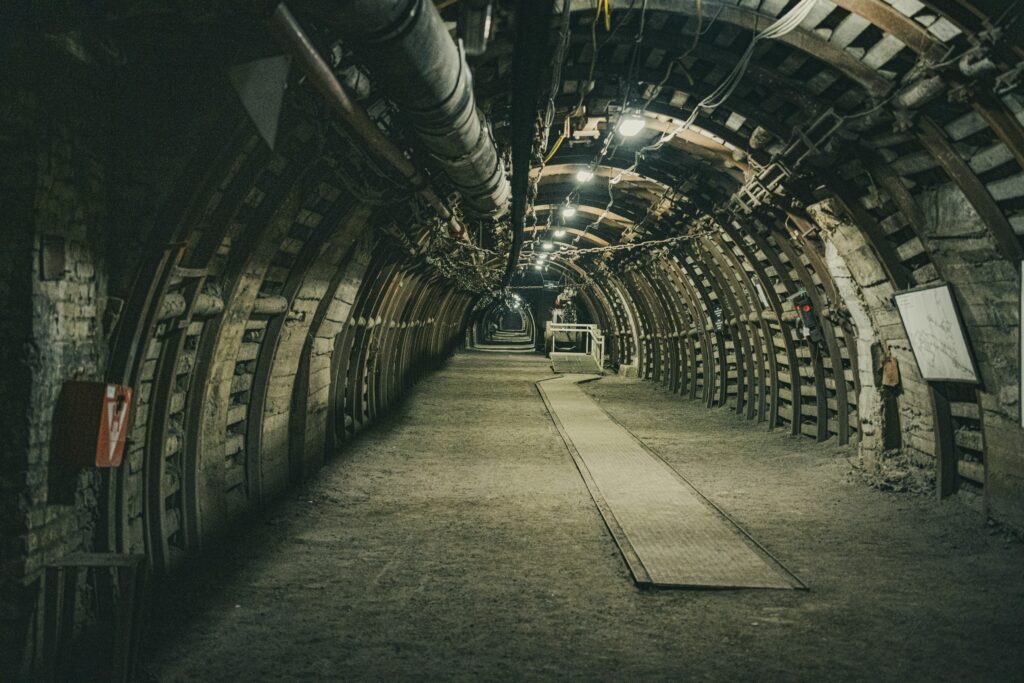
The infrastructure was immense and meticulously planned. Coordination was institutionalized through a series of NATO-linked committees. In 1949, the Western Union Clandestine Committee was integrated into NATO under the name “Clandestine Planning Committee.” In 1958, NATO founded the Allied Clandestine Committee to coordinate secret warfare across member states. Wikipedia
The Name: Gladio and Its European Siblings
The operation took its most famous name from Italy. Codenamed “Gladio”, meaning “the sword”. The Italian secret army was eventually exposed in 1990 by Italian Prime Minister Giulio Andreotti before the Italian Senate. Routledge But Italy was only one node in a far wider network.
Stay-behind armies operated under different code names across Western Europe. Like Absalon in Denmark, P26 in Switzerland, ROC in Norway, I&O in the Netherlands, and SDRA8 in Belgium. History News Network Similar networks were also discovered in France, Spain, Portugal, Germany, Luxembourg, Sweden, Finland, Austria, Greece, and Turkey. While all internationally coordinated by the Pentagon and NATO. Routledge
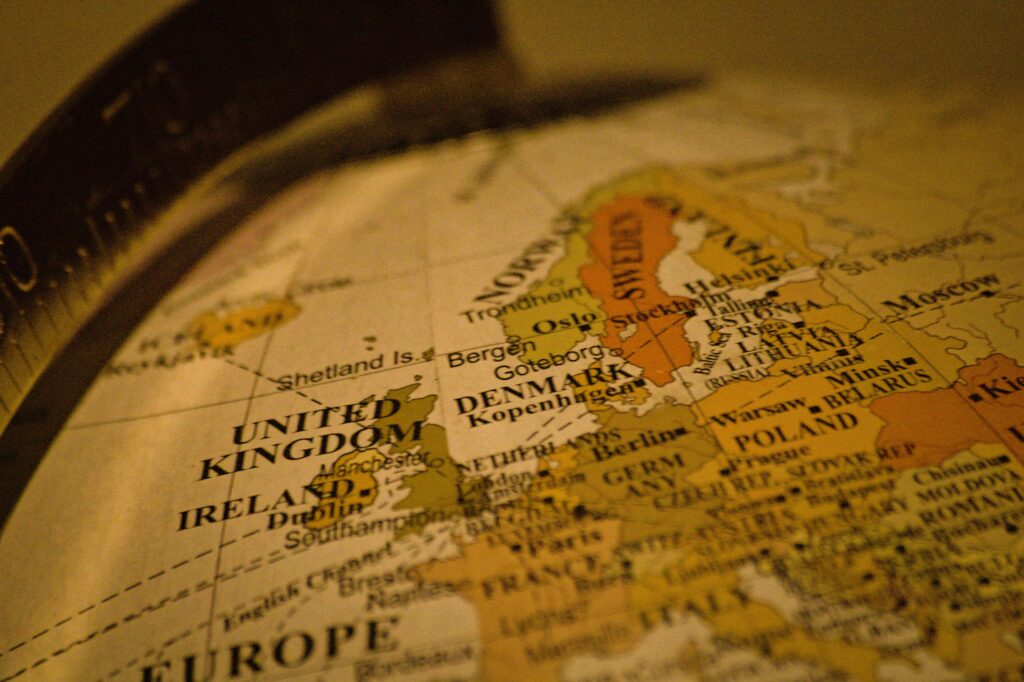
Each network was tailored to its national context, but all shared the same Cold War logic: Maintain a covert capability to resist occupation and destabilize an enemy from within.
From Defense to Domestic Terror: The “Strategy of Tension”
Here is where Operation Gladio crosses from strategic planning into something far darker. The stated purpose: resisting “Soviet invasion”, was never tested. What was tested, repeatedly, was the network’s capacity to intervene in domestic politics.
Evidence suggests that in some countries, secret stay-behind armies linked up with right-wing terrorists and carried out attacks that were later wrongly attributed to the political left, in order to discredit communist parties and prevent them from assuming executive positions. History News Network This became known as the “Strategy of Tension“. Manufacturing fear and political violence to push electorates away from left-wing parties and toward conservative, pro-American governments.
Italy offers the most documented case. Judge Felice Casson, while investigating the Peteano bombing, uncovered evidence linking right-wing extremists and the military to the attack. Evidence that eventually led to broader inquiries into Gladio’s role in Italy’s political violence during the Cold War. Dukereportbooks A 1959 document from the Italian military secret service SIFAR confirmed it had been running the secret army with CIA support, and suggested links to right-wing organizations engaged in domestic terrorism. Wikipedia
The violence was not limited to Italy. False flag operations, acts of deception carried out to blame other countries or political groups for attacks. Such acts were conducted as part of the Gladio program across Western Europe and Turkey, under CIA supervision, using right-wing operatives recruited to carry out terrorist acts and blame them on left-wing groups, mostly communists. ResearchGate
The Exposure: 1990 and Its Aftermath
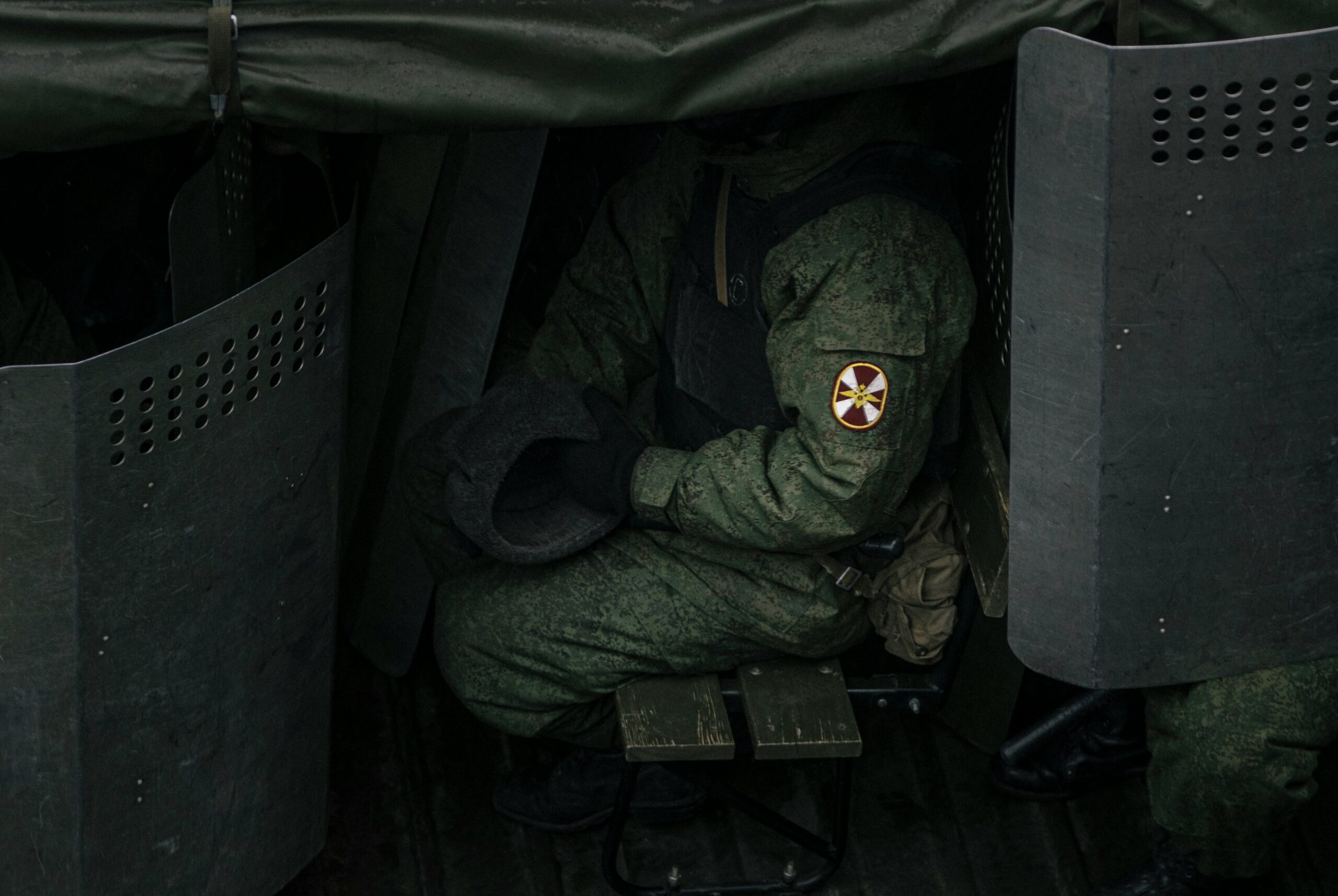
For decades, the network operated in near-total secrecy. Its unraveling came through a combination of judicial inquiry and political courage. When Andreotti confirmed Gladio’s existence before the Italian Senate in 1990, the reaction across Europe was immediate and explosive. Belgium, France, Germany, and Switzerland were all found to have had stay-behind networks similar to Gladio, raising serious concerns about the extent of NATO’s involvement in domestic politics. Dukereportbooks
The European Parliament responded with alarm. Investigations were launched across multiple countries. Yet NATO, the CIA, and MI6 maintained their characteristic silence. The exposure of Operation Gladio left a lasting stain on NATO’s reputation and raised profound concerns about the role of secret military forces in democratic societies. Dukereportbooks
In some cases, the secrecy had been maintained even within governments. The Dutch Prime Minister told parliament that successive prime ministers and defence chiefs had always preferred not to inform other Cabinet members or parliament about the secret organization operating inside the defence ministry. Wikipedia
Legacy: What Gladio Tells Us About Power
Operation Gladio is not merely a Cold War footnote. It is a case study in how democratic states can harbor fundamentally anti-democratic structures within themselves. The operation reveals several uncomfortable truths that remain relevant today.
First, the security state operates on a logic of its own, one that frequently overrides the democratic accountability it claims to protect. Second, the line between defending democracy and subverting it can dissolve entirely when ideological imperatives take hold. Third, official silence does not mean innocence. Many details of Gladio’s operations across all participating countries remain classified to this day.
The name “Gladio”, the sword, was chosen deliberately. A sword is a tool of both protection and violence. Operation Gladio was both, depending on who was wielding it, and against whom.
Conclusion
Operation Gladio stands as one of the most thoroughly documented yet widely unknown chapters of modern European history. It reminds us that hidden history is not always found in ancient ruins or lost manuscripts. Sometimes it is buried in government archives, sealed court testimonies, and the carefully guarded memories of those who swore an oath of silence. Understanding Gladio is not about embracing conspiracy. It is about taking the documentary record seriously, following the evidence where it leads, and refusing to accept that official narratives are ever the complete story.
The sword was real. The question that lingers is: who was it really pointed at?