
Introduction: Power Built on Ledgers, Not Lances
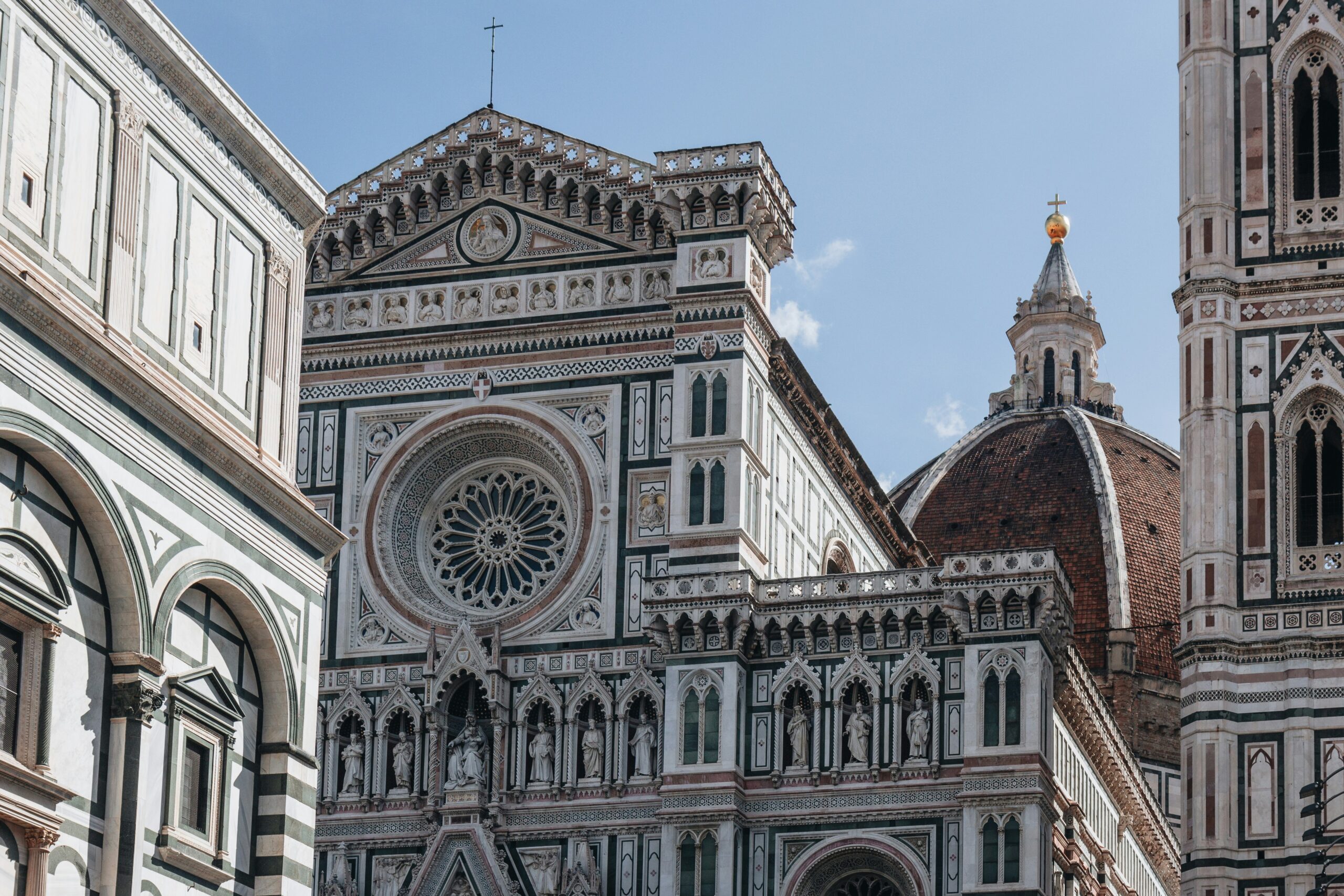
In the conventional imagination of medieval and Renaissance Europe, power belonged to kings, knights, and popes, those who commanded armies or claimed divine authority. The Medici family of Florence shattered that convention entirely. Unlike many prominent families of their time, the Medici rose to power primarily through banking and commerce rather than inheritance or military conquest. Sage Journals What they built over three centuries was something unprecedented: a dynasty forged not from bloodlines of nobility or the force of arms, but from financial genius, political cunning, and an extraordinary instinct for cultural patronage. Their story is one of the most instructive case studies in the mechanics of power that history has to offer.
Origins: From Peasants to Patricians
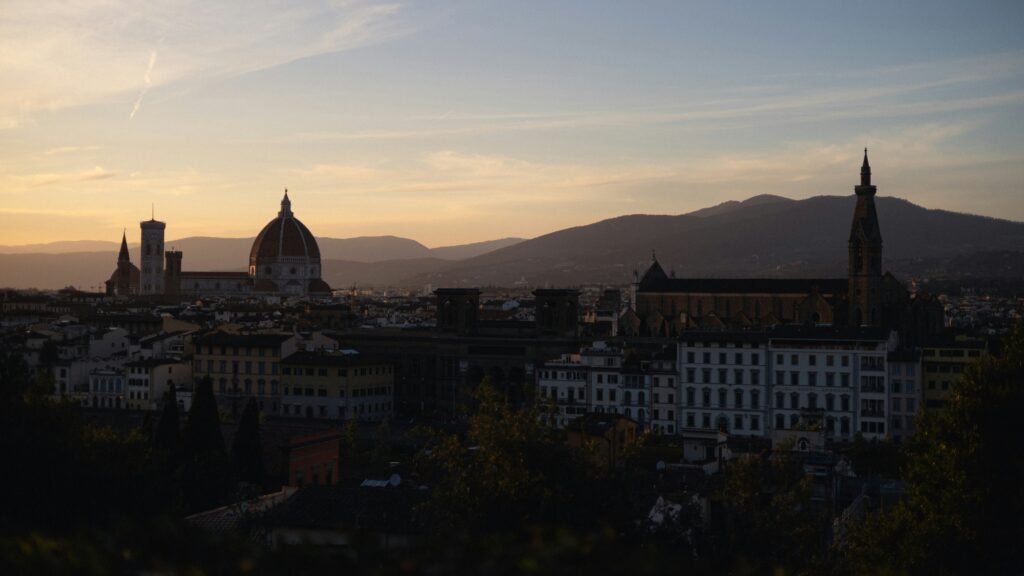
The Medici were not born into greatness. The Medici were originally of Tuscan peasant origin, from the village of Cafaggiolo in the Mugello, the valley of the Sieve, north of Florence. Some of these villagers, in the twelfth century perhaps, became aware of the new opportunities afforded by commerce and emigrated to Florence. There, by the following century, the Medici were counted among the wealthy notables, although in the second rank, after leading families of the city. History News Network
Their ascent was neither smooth nor inevitable. Early attempts to consolidate power through political control resulted in decades of setbacks. But where rivals stumbled, particularly during the economic depression of the 1340s, the Medici were able to escape bankruptcy and even took advantage of it to establish themselves among the city’s elite. History News Network Survival in adversity, it turned out, was the first lesson of Medici power.
The foundation of their dynastic wealth was laid by Giovanni di Bicci de’ Medici. Founded in 1397, the Medici Bank quickly expanded and opened branches as far away as England. In time, the Medici Bank became the main financial institution of the papacy. ResearchGate This papal connection was transformative. A significant step forward was becoming the Depositor of the Apostolic Chamber, the pope’s banking manager in 1420, an office held for twenty-two years. Dukereportbooks By managing the finances of the Catholic Church, the Medici had effectively positioned themselves at the center of European economic and spiritual life simultaneously.
Cosimo the Elder: The Architect of Medici Dominance
The man who translated financial wealth into genuine political power was Giovanni’s son, Cosimo de’ Medici, known as Cosimo the Elder. The Medici family controlled Florence for over three centuries, and the man responsible for putting the family in power was Cosimo de’ Medici, who was able to gain influence over the city and its government because of the wealth available to him through the Medici Bank. Without these funds, he would not have had the opportunities available to him and thus to his family. SearchWorks
Cosimo’s path to dominance was not without resistance. The expansion of power by the Medici led to Cosimo’s exile in 1433 at the hands of the Albizzi family. Medici money once again came through and he was recalled one year later. Upon his return, Cosimo repaid the favor to the Albizzi clan by exiling its members from Florence. SearchWorks The message was unmistakable: the Medici could be expelled, but they could not be destroyed, and those who tried would pay dearly for it.
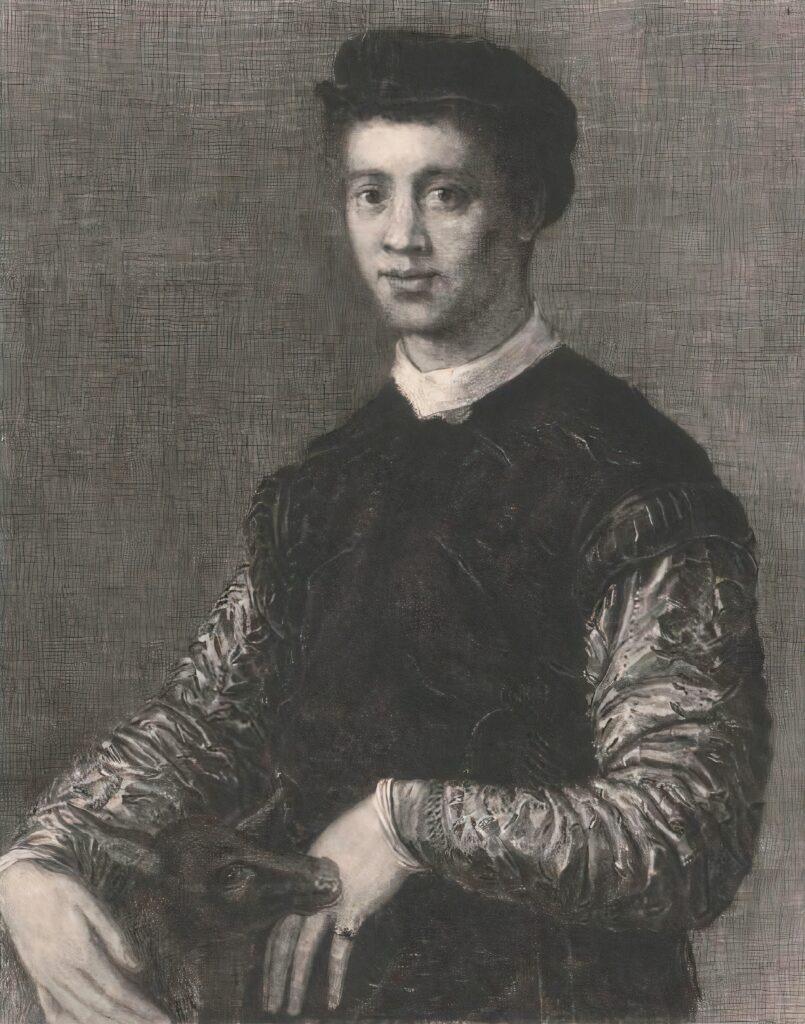
What distinguished Cosimo from mere oligarchs was his understanding that raw financial power required a civilizational cover. The wealth that the Medici Bank provided for Cosimo also allowed him to become a significant patron of both the arts and learning. By sponsoring artists and humanists, Cosimo extended his influence over Florentine society. His projects included a wide variety of styles by many different artists, influencing painting, sculpture, and architecture. He also influenced learning through his support of humanistic education and the creation of the first public library at the monastery of San Marco in Florence. SearchWorks
Lorenzo the Magnificent: Peak Power and Its Price
If Cosimo built the Medici empire, his grandson Lorenzo de’ Medici, known to history as Lorenzo the Magnificent, personified it at its absolute zenith. Lorenzo was the face of the Florentine Renaissance. He was a gifted diplomat, a poet, and a scholar who was groomed from a young age to rule. His passion for art and philosophy helped usher in the golden age of Florence. He discovered and patronized a new generation of artistic geniuses, including Botticelli, Leonardo da Vinci, and Michelangelo. History News Network
A teenage Michelangelo lived with the Medici almost as an adopted son. Leonardo da Vinci played the lute at their parties. And Botticelli studied the classical statues that dotted their gardens. UW-Madison Libraries The Palazzo Medici was not merely a home, it was the intellectual and artistic nerve center of the Western world.
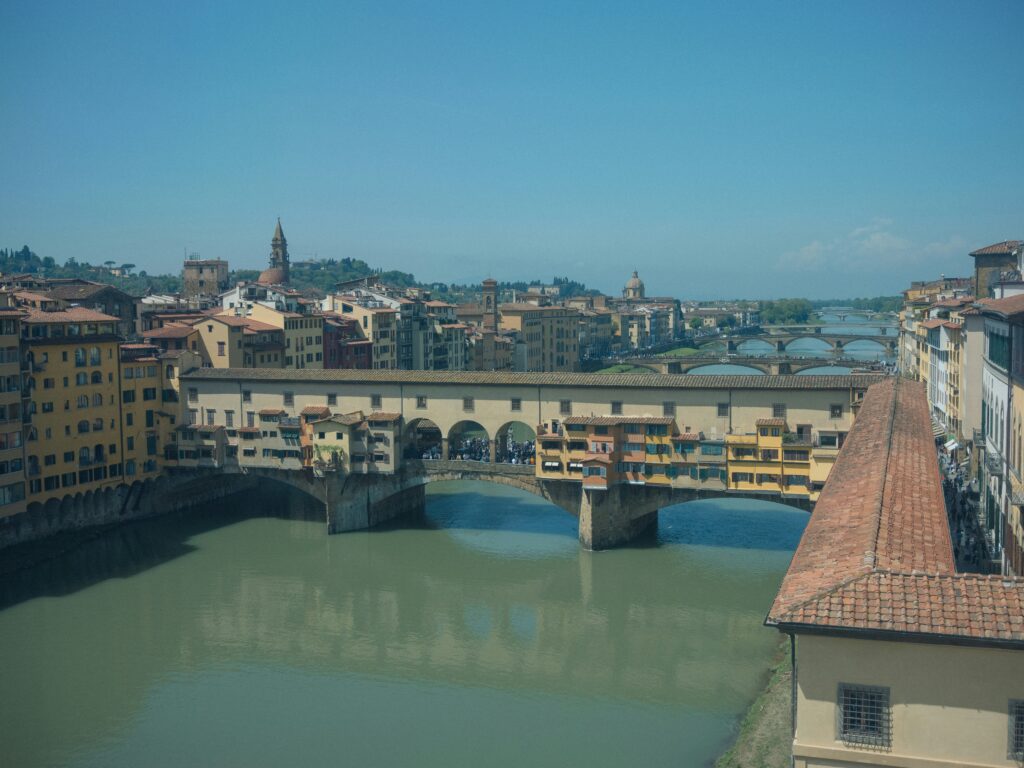
Yet Lorenzo’s reign also exposed the structural tension at the heart of Medici power. His genius lay in politics and culture, not in finance. Lorenzo de’ Medici neglected the family banking business, which led to its ultimate ruin. Wikipedia The very brilliance that made him a Renaissance icon planted the seeds of institutional decline. His life was also marked by mortal danger. His life almost ended during the Pazzi Conspiracy in 1478, an assassination plot by a rival banking family sanctioned by the Pope. His brother Giuliano was killed, but Lorenzo survived. History News Network The conspiracy revealed how many powerful enemies the Medici had accumulated, and how thin the line between dominance and destruction truly was.
The Papal Gambit: Religion as Political Instrument
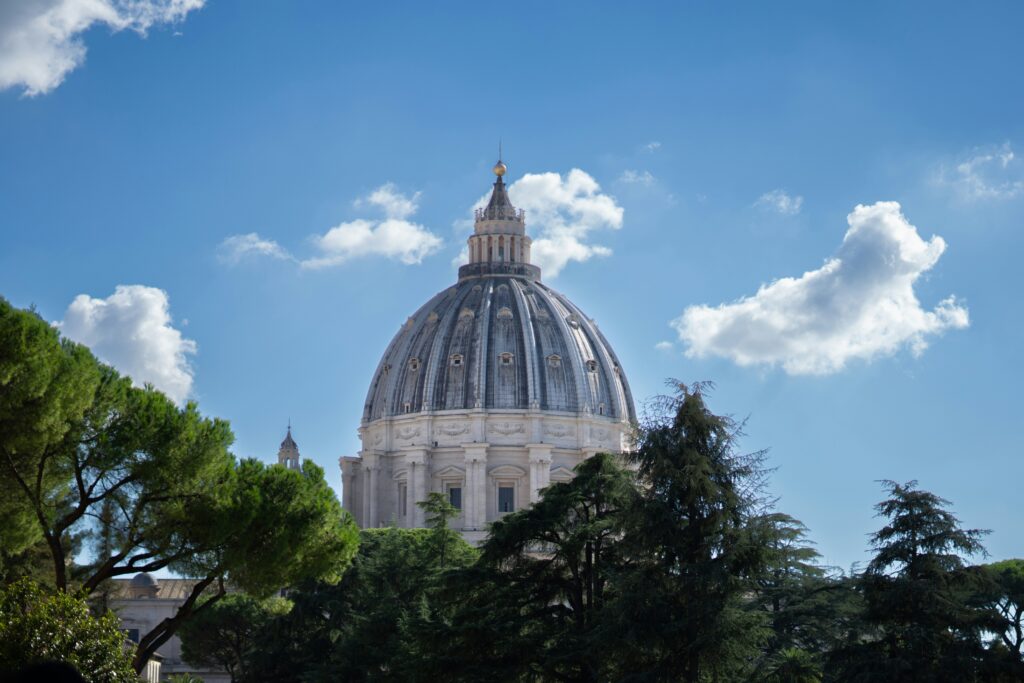
When financial supremacy began to falter, the Medici pivoted to an even more audacious strategy: placing their own blood on the papal throne. The Medici returned to Florence with the help of the Spanish, and in the 16th century, they found a new way to consolidate power by putting their family members on the papal throne. Lorenzo’s son Giovanni became Pope Leo X in 1513, and his cousin Giulio became Pope Clement VII. History News Network
The Medici produced four popes of the Catholic Church, Pope Leo X, Pope Clement VII, Pope Pius IV, and Pope Leo XI, and two queens of France — Catherine de’ Medici and Marie de’ Medici. Wikipedia No banking family in history, before or since, has achieved such penetration of both spiritual and temporal European power structures simultaneously.
Yet the papal gambit carried catastrophic risks. Pope Leo X was a lavish patron of the arts, but his spending bankrupted the Vatican. His reliance on selling indulgences to fund projects directly contributed to the Protestant Reformation. Pope Clement VII‘s poor political calculations led to the catastrophic Sack of Rome in 1527 by Holy Roman Emperor Charles V, a disaster that many saw as divine punishment. History News Network The Medici popes were simultaneously the dynasty’s greatest achievement and among its most consequential failures.
Decline and Legacy
The collapse of Medici financial power came swiftly once the structural rot took hold. Financial mismanagement and poor investments weakened the banking house. Large loans to risky foreign rulers strained their credit. As heirs lost focus on banking and turned more toward politics, the financial empire began to crumble. The collapse became certain when branches in Rome, London, and Bruges failed. The last Medici bank closed in 1494, marking the end of the family’s dominance in finance and commerce in Renaissance Italy. Amazon
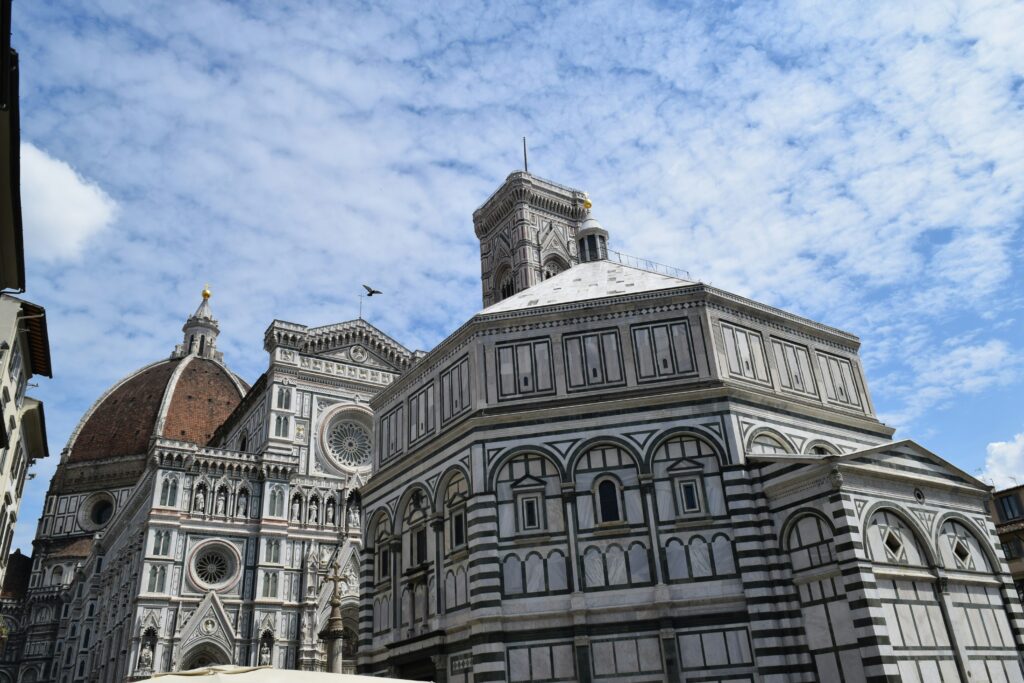
Yet to measure the Medici solely by the fate of their bank would be to profoundly misunderstand their historical significance. The list of artists able to dedicate themselves exclusively to their work thanks to Medici generosity included such masters as sculptors Lorenzo Ghiberti and Donatello; architect Filippo Brunelleschi; and painters Sandro Botticelli, Michelangelo, and Peter Paul Rubens. Sage Journals
Conclusion: The Blueprint of Soft Power
The Medici invented something that modern political strategists still study and deploy: the systematic use of cultural patronage as an instrument of political legitimacy. They understood, centuries before the concept was formalized, that the most durable power is not the kind enforced by armies, it is the kind that shapes how people think, what they value, and who they admire. The family’s rise from obscure peasantry to a leading house in Europe highlights certain aspects of what scholars have come to define as the Renaissance, the idea that educated, worldly individuals were better able to serve and improve society. ResearchGate