
Introduction: The New Currency of Power is Geopolitics of Water
For most of the twentieth century, oil defined the geopolitical map of the world. Wars were fought over it, alliances were built around it, and entire foreign policies were structured to secure its supply. But as the twenty-first century deepens, a far more fundamental resource is emerging as the defining axis of global conflict: FRESHWATER.
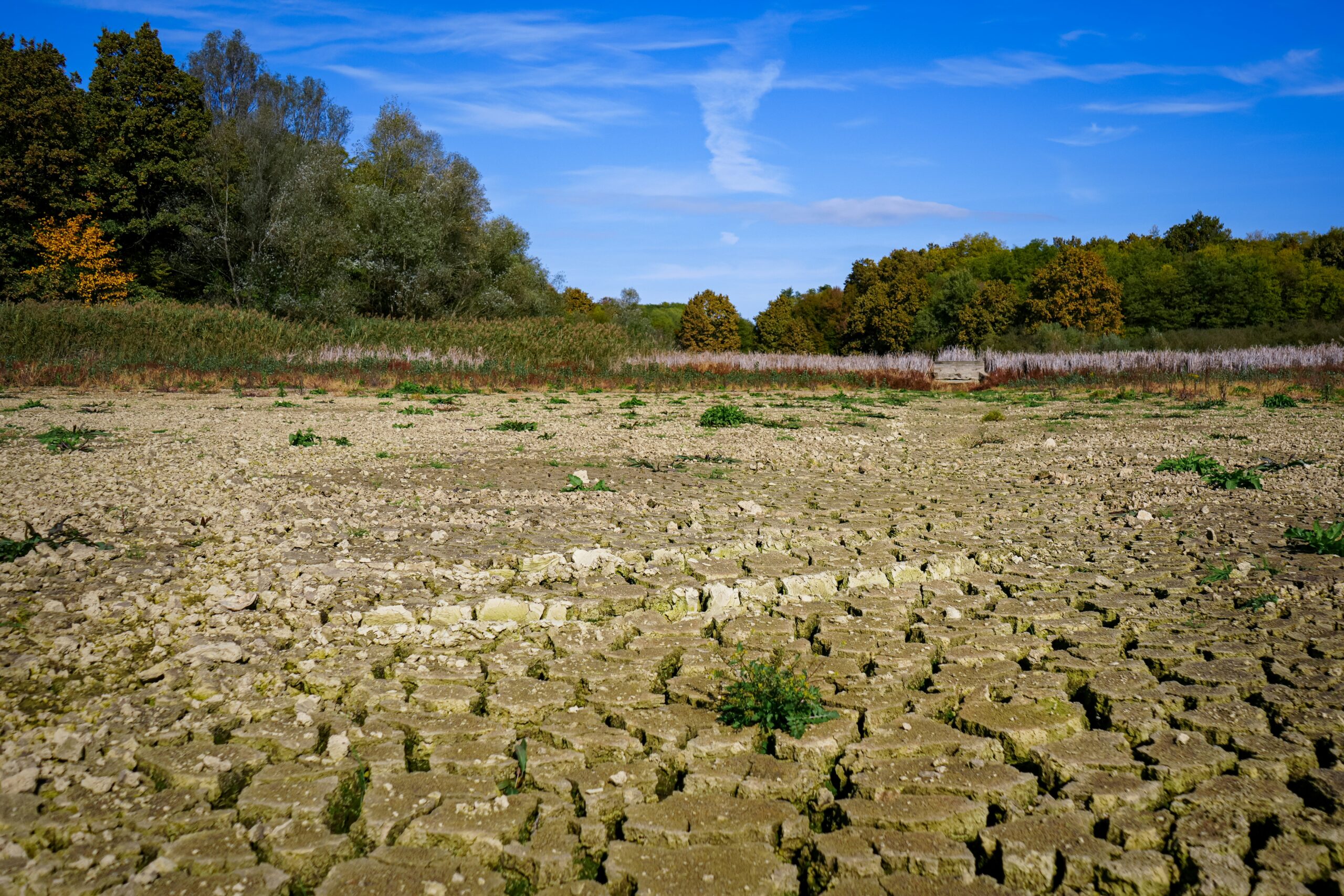
While past global tensions often revolved around oil, ideology, or territorial control, the future may well be shaped by a new and far more essential struggle, the control of freshwater. Water scarcity is no longer a distant scenario but a concrete threat already affecting billions of people worldwide, transforming water from a common good into a strategic and potentially weaponized resource, capable of triggering diplomatic tensions, economic crises, and outright armed conflicts. Sage Journals
The Scale of the Crisis
To understand why water is becoming a geopolitical flashpoint, one must first grasp the staggering mathematics of global scarcity. Despite covering over 70% of the planet, only 3% of Earth’s water is freshwater, with less than 1% accessible for human consumption. Wikipedia This finite availability is being stretched to its absolute limits by population growth, climate change, and industrial demand.
The UN World Water Development Report 2024 found that roughly half of the world’s population is experiencing severe water scarcity, with some areas lacking water almost year-round. The report estimated it would cost $114 billion annually to provide safe drinking water, sanitation, and hygiene in 140 low- to middle-income countries alone. History News Network Looking further ahead, the United Nations estimates that by 2050 nearly 5.7 billion people will live in water-scarce areas, meaning more than half the global population will directly experience water shortages affecting drinking water, agricultural productivity, and industrial output. Sage Journals
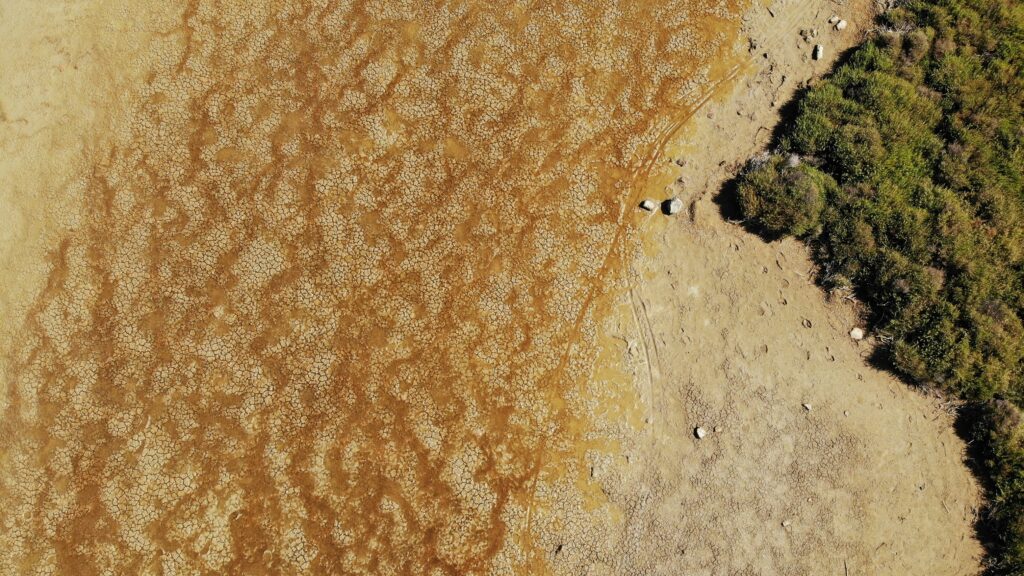
The conflict data is equally alarming. According to the Pacific Institute, there were 344 water-related conflicts globally during 2022 and the first half of 2023 alone, ranging from regional disputes over water rights to targeted attacks on water infrastructure. ResearchGate And crucially, since 2017, transboundary water clashes have overtaken acts of international collaboration, a dramatic reversal of a trend that held for most of the twentieth century, when cooperative international interactions outnumbered conflicts two to one. Dukereportbooks
Hydro-Politics: The Power of Upstream Control
At the heart of water geopolitics lies a structural asymmetry that no treaty can fully neutralize: the advantage of upstream nations over those downstream. Countries upstream of major rivers have natural geopolitical advantages. They can regulate water flow, build dams, or redirect rivers to serve national interests. Downstream countries depend on upstream goodwill and are therefore more vulnerable to water manipulation. This phenomenon, often described as hydro-politics, is based on the idea that water can be a tool for influence, coercion, or defense. Sage Journals
More than 60 percent of all freshwater resources are shared by two or more countries, including major rivers like the Rhine and Danube in Europe, the Mekong in Asia, the Nile in Africa, and the Amazon in South America. History News Network Each of these shared systems is a potential fault line, and several have already become active ones.
Three Flashpoints That Could Ignite
The Nile: Egypt, Ethiopia, and the GERD
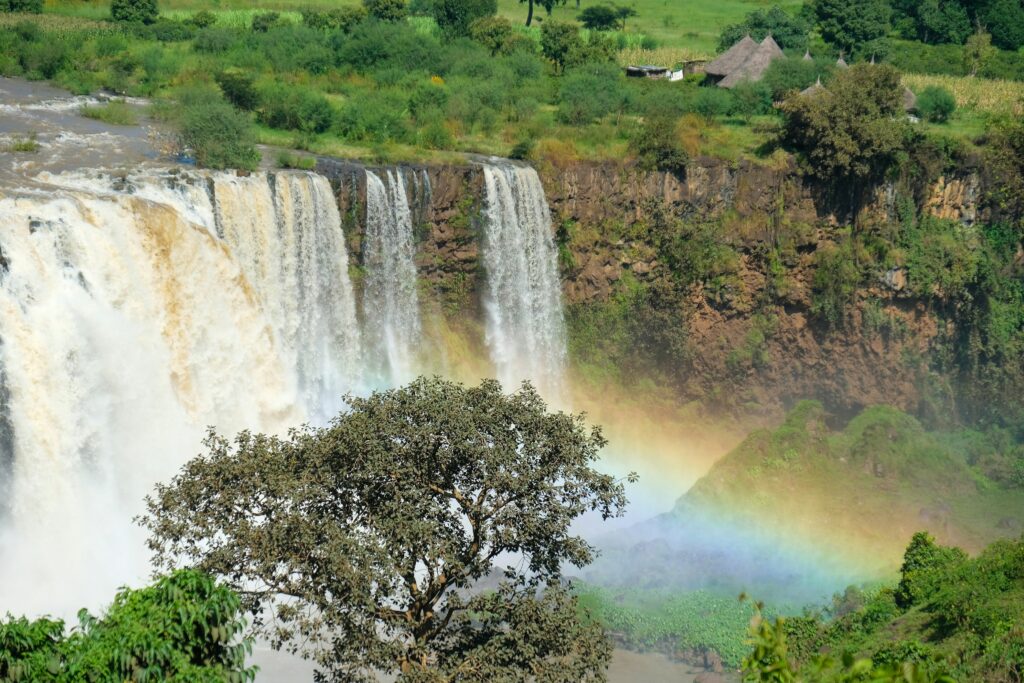
Egypt depends on the Nile River for more than 90% of its freshwater. Ethiopia‘s construction of the Grand Ethiopian Renaissance Dam has sparked major diplomatic tensions. While Ethiopia sees the dam as essential for development and energy production, Egypt fears a reduction in downstream water flow that could devastate its agriculture and economy. Negotiations continue, but the situation remains precarious. If diplomacy fails, Egypt could face severe internal instability or consider more assertive measures to protect its water supply, potentially escalating into conflict. Sage Journals
The Euphrates-Tigris: Turkey, Syria, and Iraq
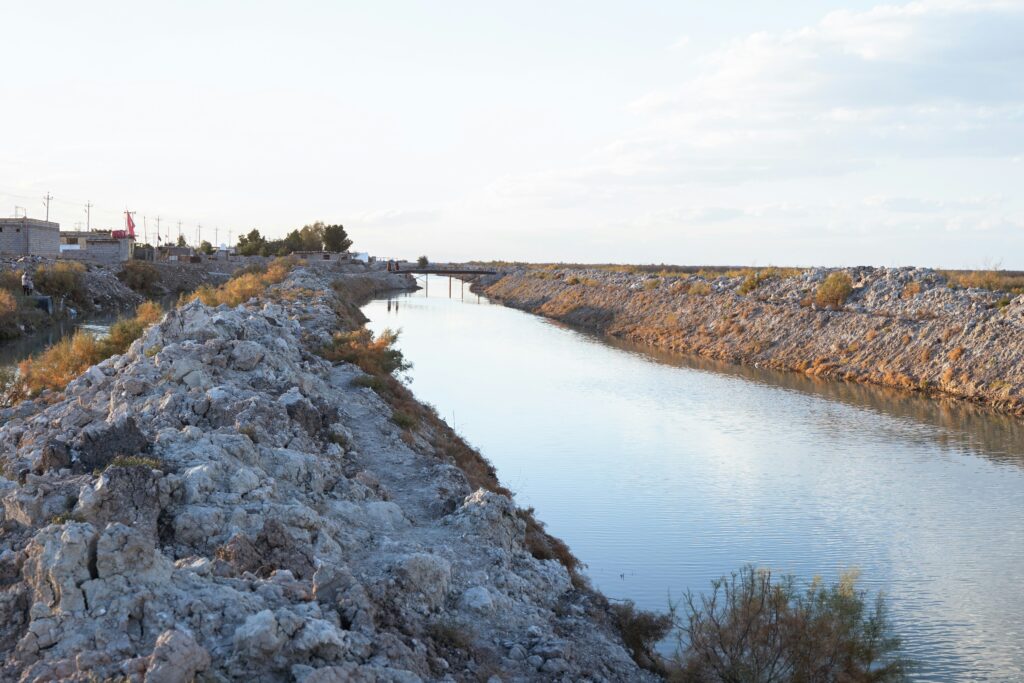
The Euphrates-Tigris Basin, shared by Turkey, Syria, and Iraq, has been a longstanding hotspot of water-related disputes. Turkey’s Southeastern Anatolia Project, which involves the construction of dams on the Euphrates, has significantly reduced water flow to Syria and Iraq. The lack of a comprehensive agreement among these nations has prevented effective cooperation and heightened tensions. Turkey’s control over upstream water through its extensive dam projects, Syria’s and Iraq’s reliance on downstream flows for agriculture, and Iran’s growing demands add to an already complex geopolitical landscape. Further compounded by ongoing regional conflicts and the destruction of water infrastructure during civil wars. UW-Madison Libraries
The Indus: India, Pakistan, and a Treaty Under Threat
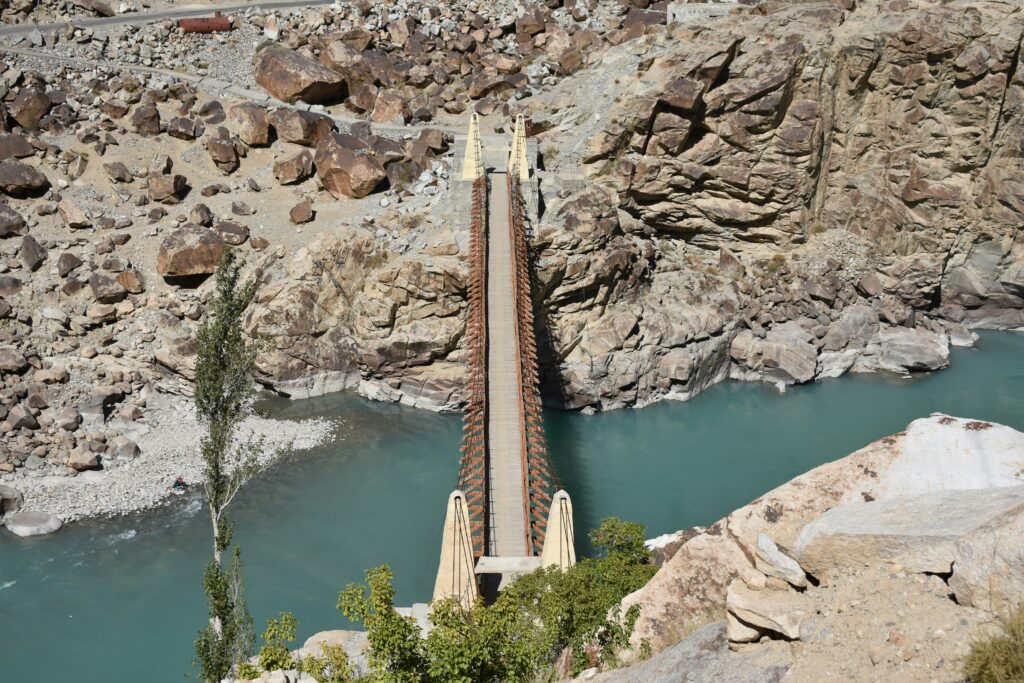
Perhaps the most dangerous water dispute on earth involves two nuclear-armed states. The 1960 Indus Water Treaty, which has survived three wars, governs the distribution of six major Indus Basin rivers between India and Pakistan. Recently, India has considered renegotiating the treaty to its advantage. As the upstream power, India would have the upper hand, a move Pakistan strongly opposes, warning it would be treated as a declaration of war. Routledge
Climate Change: The Accelerant
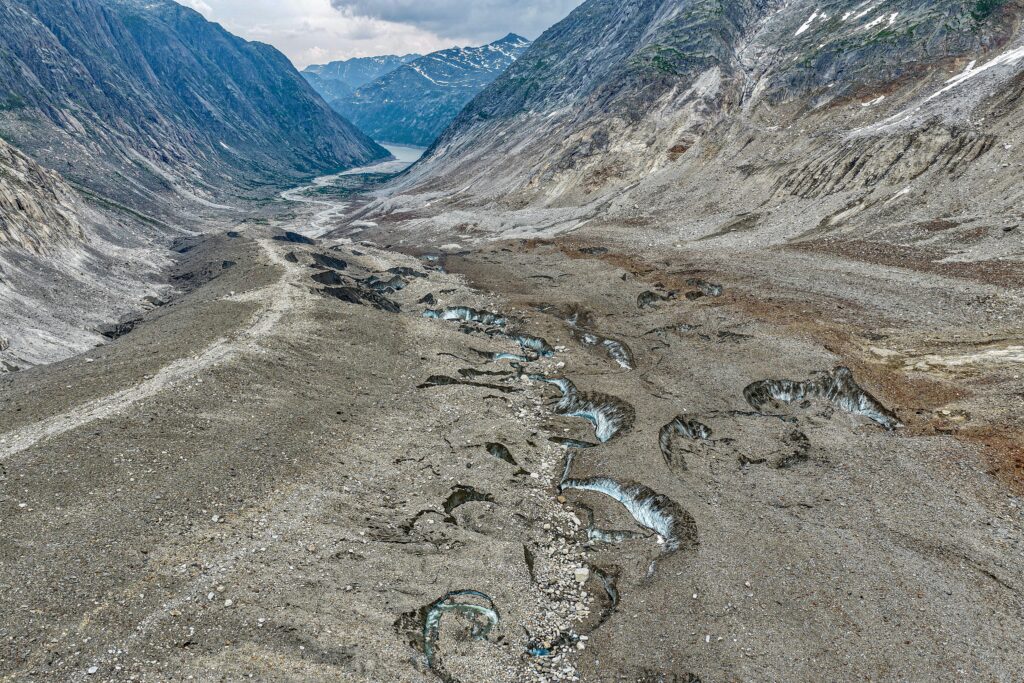
None of these tensions exist in isolation from the broader climate crisis. Rising temperatures, shifting rainfall patterns, and accelerating glacier melt are fundamentally altering the hydrology of entire continents. Climate change is projected to exacerbate droughts and reduce water flow across multiple regions, increasing the frequency and severity of water scarcity crises. UW-Madison Libraries
Water scarcity is also a significant driver of food insecurity and economic instability. Insufficient water supplies directly impact agricultural output, leading to reduced crop yields and rising food prices, indirectly triggering the geopolitics of water. The water crisis further destabilizes economies dependent on agriculture, particularly in developing regions where water-intensive farming practices accelerate resource depletion.
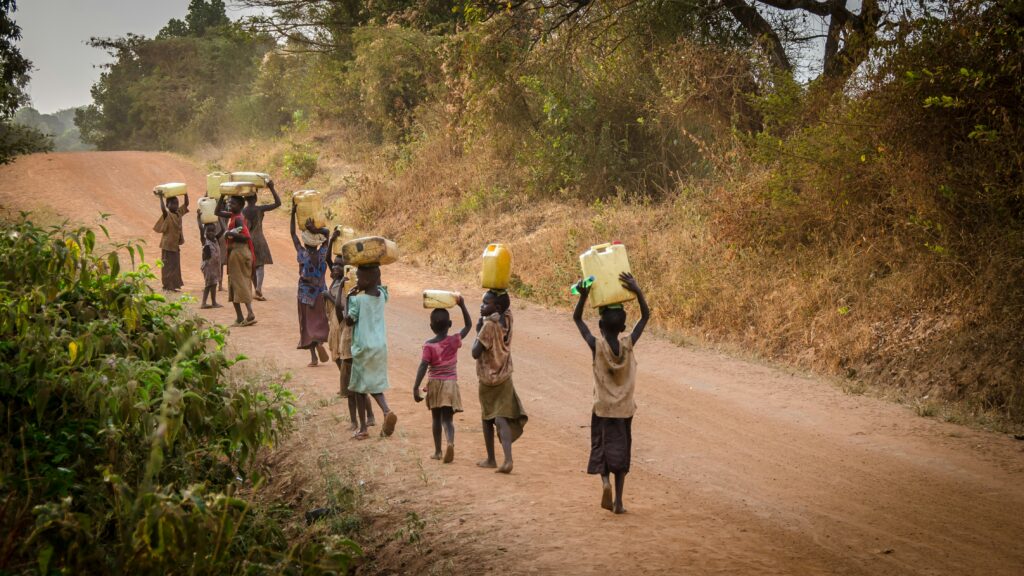
The social consequences compound the political ones. A quarter of the world’s population faces extreme water stress each year, and around 4 billion people experience severe water scarcity for at least part of the year. With demand expected to outstrip the supply of freshwater by 40% by the end of this decade, conflicts over water will only intensify.
The Governance Gap
What makes the water crisis particularly dangerous is not merely physical scarcity, it is the absence of adequate international frameworks to manage that scarcity equitably. Conflict and cooperation coexist in transboundary water governance, influenced by eight interconnected factors: scarce and unevenly distributed water resources, international agreements, population growth, climate change, energy production, food security, environmental sustainability, and hydro-hegemony, all of which heighten competition and complicate governance. UW-Madison Libraries
Existing treaties were largely designed for a different era, a different climate, and different population levels. Water scarcity alone does not necessarily lead to conflict, instead, poorly coordinated or inequitable responses between upstream and downstream countries can increase the risk of tensions and disputes. History News Network The institutional architecture of global water governance has not kept pace with the speed and scale of the crisis it now faces.
Conclusion: Water as the Mirror of Civilization
The geopolitics of water ultimately reflects something deeper than resource competition. It mirrors the fundamental question of whether states can cooperate on shared existential challenges or whether the logic of national interest will always prevail over collective survival. As climate change exacerbates water scarcity, the competition for dwindling freshwater reserves will likely intensify. States may deploy diplomatic and, in extreme cases, military strategies to secure access to crucial water sources.
The consequences could range from strained international relations and regional conflicts to widespread humanitarian crises, displacement of vulnerable communities, agricultural disruptions, and economic downturns, as nations grapple to control this essential resource. SearchWorks
Oil, for all its geopolitical weight, was always a fuel, something burned and consumed in pursuit of other ends. Water is different. It is not a means to an end. It is the end itself. And that is precisely what makes its scarcity the most consequential political challenge of the century ahead.