
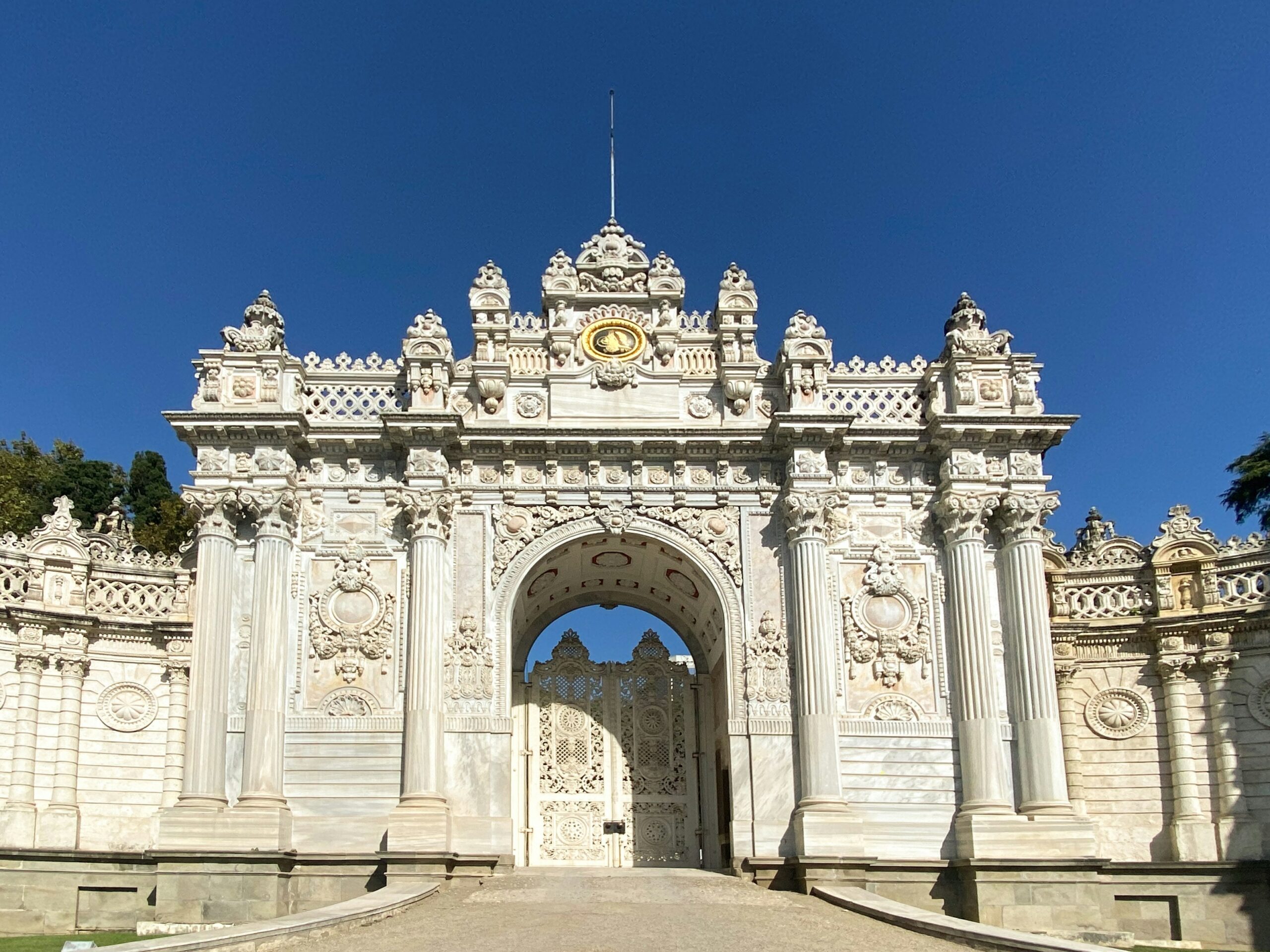

Introduction: An Empire Like No Other
Few political entities in human history have matched the Ottoman Empire in longevity, geographic reach, or civilizational complexity. Founded in Anatolia, the location of modern-day Turkey. The Ottoman Empire grew from a small northwestern Anatolian principality into one of the most powerful states in the world during the 15th and 16th centuries, spanning more than 600 years before its final dissolution. Dukereportbooks Its story is not merely a chapter in Middle Eastern or Turkish history, it is a foundational chapter in the history of Europe, the Arab world, the Balkans, and North Africa. Understanding how it rose, peaked, and ultimately collapsed offers profound lessons for students of power, governance, and imperial overreach.
Origins: From Tribal Principality to Regional Power
The Ottoman Empire began at the very end of the 13th century with a series of raids from Turkic warriors known as ghazis, led by Osman I, a prince whose father Ertugrul had established a power base in Söğüt near Bursa, Turkey. Osman and his warriors took advantage of a declining Seljuq dynasty that had been severely weakened by the Mongol invasions. Dukereportbooks
Osman‘s origins are extremely obscure, and almost nothing is known about his career before the beginning of the fourteenth century. By 1300 he had become the leader of a group of Turkish pastoral tribes, ruling over a small territory around the town of Söğüt in northwestern Anatolia. He led frequent raids against the neighboring Byzantine Empire, and success attracted warriors to his following, particularly after his victory over a Byzantine army at the Battle of Bapheus in 1301 or 1302. Amazon
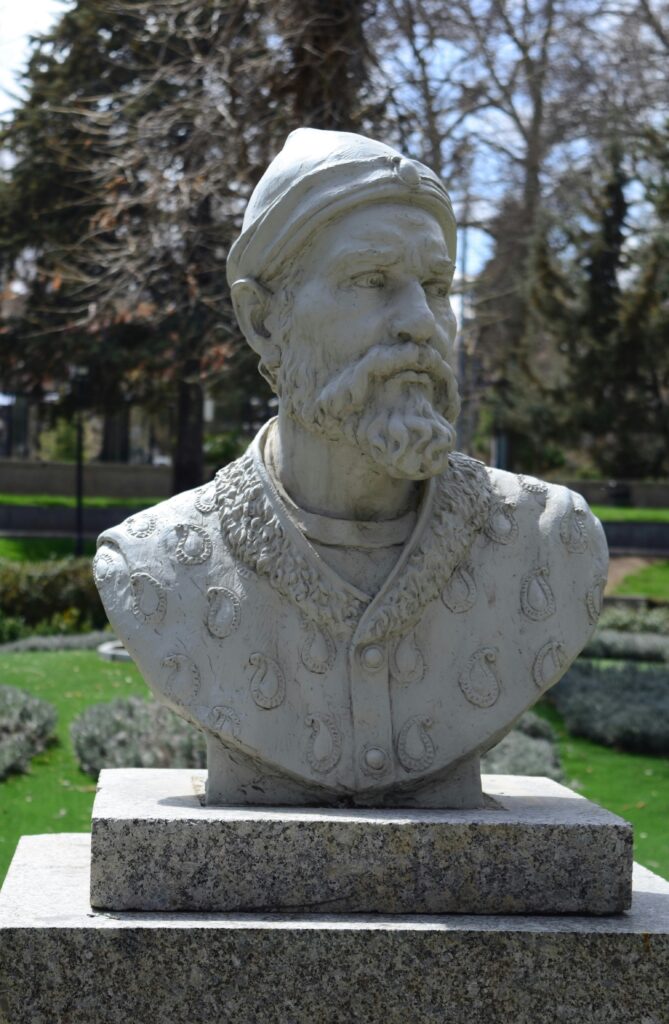
From these modest beginnings, the dynasty expanded with remarkable speed. Osman’s grandson Murad I laid the foundation for an institutionalized Ottoman state, continued by Murad’s son Bayezid I. Dukereportbooks Each successive ruler extended the empire’s reach deeper into Europe, Anatolia, and the Arab world, building not merely a military force but a sophisticated administrative state.
The Conquest of Constantinople: A Turning Point for the World
No single event defines the Ottoman rise more dramatically than the fall of Constantinople in 1453. With overwhelming firepower and sheer weight of numbers, Mehmed the Second‘s army swept through Constantinople to devastating effect. When the city fell on 29 May 1453, it sent shockwaves throughout Europe. Mehmed wasted no time in proclaiming it the new imperial capital of the Ottoman Empire. History News Network
The Ottomans were some of the first to employ artillery on a mass scale in the 15th century SearchWorks A technological advantage that proved decisive against Constantinople’s legendary walls, which had held for over a thousand years.
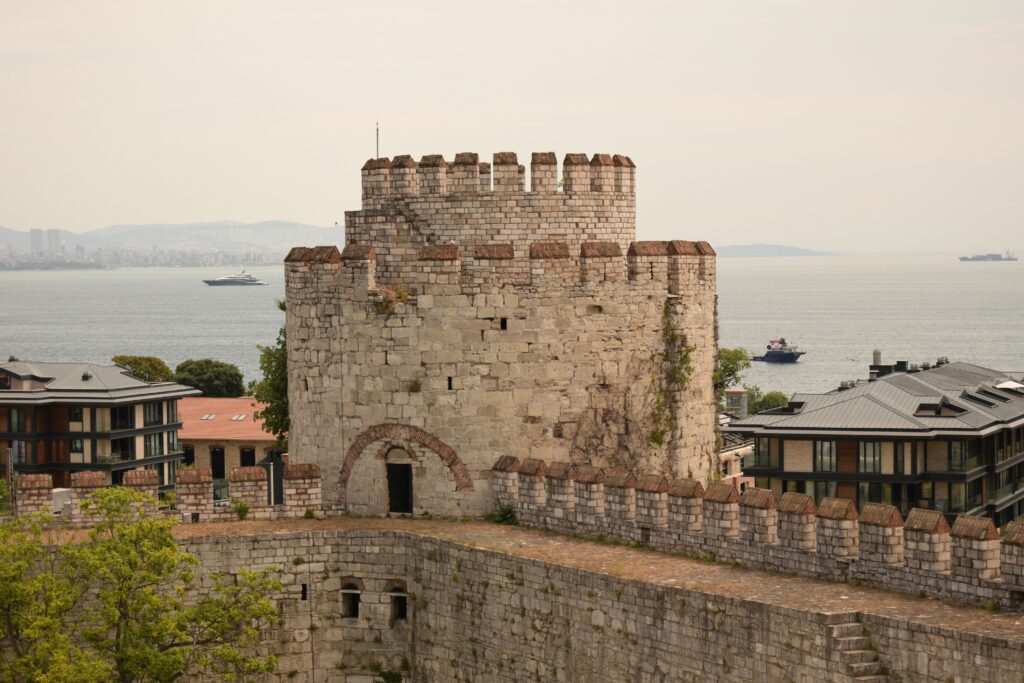
The consequences of this conquest reverberated far beyond the Middle East. The Ottoman conquest of Constantinople played a decisive role in fostering the Renaissance in Western Europe. The Byzantine Empire had been the custodian of various ancient texts, most notably from the ancient Greeks, and when Constantinople fell, Byzantine refugees flocked west, bringing books that helped spark an interest in antiquity that fueled the Italian Renaissance and essentially put an end to the Middle Ages altogether. UW-Madison Libraries
The Golden Age: Suleiman the Magnificent
The Ottoman Empire reached its peak in terms of territory and power in the 16th century, particularly during the reign of Suleiman the Magnificent from 1520 to 1566, who proclaimed himself the Caliph and protector of the Muslim world. Suleiman expanded the empire’s territory to its greatest extent, encompassing parts of Europe, Asia, and Africa. History News Network
At its height the empire encompassed most of southeastern Europe to the gates of Vienna, including present-day Hungary, the Balkan region, Greece, and parts of Ukraine; portions of the Middle East now Iraq, Syria, Israel, and Egypt; North Africa as far west as Algeria; and large parts of the Arabian Peninsula. Dukereportbooks
Suleiman’s reign was distinguished not only by military conquest but by legal and cultural sophistication. Suleiman’s reign saw significant legal and cultural advancements, including the cataloguing of laws. The Venetians grew rich by exploiting trade routes to India, bringing spices and other riches back through Ottoman lands. In return, the Ottomans demanded hefty taxes, generating vast fortunes for the empire. History News Network It was a civilization at the height of its powers, militarily supreme, economically prosperous, and institutionally refined.
The Long Decline: Structural Rot and External Pressure
The seeds of Ottoman decline were planted even during its period of greatest strength. Five key factors explain the decline and fall of the Ottoman Empire: the moribund nature of its government and relative economic decline; the spread of nationalism in the Balkans; the attempts at revival by the Young Turks; German attempts to generate a sphere of influence in the Middle East; and the impact of the Balkan Wars. The conservatism of the privileged ruling elite in Constantinople, corrupt military leaders, and economic decline resulted in a broken state, particularly when compared with the rising industrial power of the West. Wikipedia
The discovery of new maritime trade routes by Western European states allowed them to avoid the Ottoman trade monopoly. The Portuguese discovery of the Cape of Good Hope in 1488 initiated a series of Ottoman-Portuguese naval wars in the Indian Ocean throughout the 16th century. ResearchGate The empire’s economic leverage was being systematically undermined by European navigation.
Militarily, the tide turned decisively at Vienna. The failed Battle of Vienna in 1683 is certainly an important turning point, the defeat of Grand Vizier Kara Mustafa Pasha at the hands of a coalition led by the Austrian Habsburg dynasty marked the beginning of a slow decline during which the Ottoman Empire suffered multiple military defeats, found itself mired by corruption, and had to deal with the increasingly mutinous Janissaries. UW-Madison Libraries
By the 19th century, the empire had earned a damning nickname. The long agony of the “sick man of Europe”, an expression used by the Tsar of Russia to depict the falling Ottomans, could almost blind people to its incredible power and history. UW-Madison Libraries
World War I and Final Dissolution
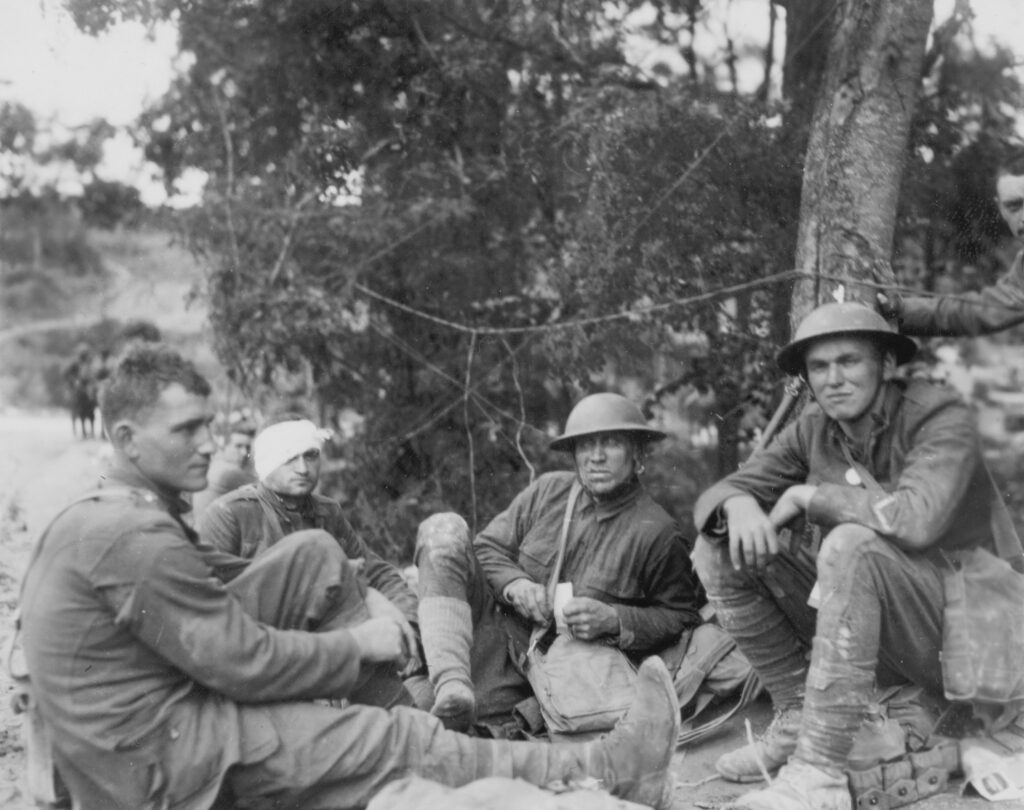
The empire’s entry into the First World War on the side of Germany proved fatal. The defeat of the Central Powers, of which the Ottoman Empire was a part, as well as the genocide of the Armenian people, led to the empire’s dissolution. In 1922, the last Ottoman Sultan, Mehmed VI, was deposed, and the Republic of Turkey was established under the leadership of Mustafa Kemal Atatürk, officially marking the end of the Ottoman Empire. History News Network
Defeat in World War I was the final death blow to the Ottoman Empire, but the sultanate wasn’t officially dissolved until 1922, when Atatürk rose to power and established a secular republic. Under his decades-long one-party rule, Atatürk tried to erase Ottoman institutions and cultural symbols, brought in Western legal codes, and laid the foundation for modern Turkey. SearchWorks
Legacy: What the Ottoman Empire Left Behind
Preserving its mixed heritage, coming from both its geographic position rising above the ashes of the Byzantine Empire and the tradition inherited from Muslim conquests. The Ottoman Empire lasted more than six centuries. Its soldiers fought, died, and conquered lands on three different continents, making it one of the few stable multi-ethnic empires in history and likely one of the last. The history of its dissolution is at the heart of complex geopolitical disputes, as well as sectarian tensions that are still key to understanding the Middle East, North Africa, and the Balkans. UW-Madison Libraries
The Ottoman Empire’s collapse did not merely end a dynasty, it redrew the map of the modern world. The borders, conflicts, and political identities of over twenty modern nations trace their origins directly to the empire’s rise, governance, and fall. To study the Ottomans is, in many ways, to study the unresolved architecture of our present.